Last updated November 21, 2026
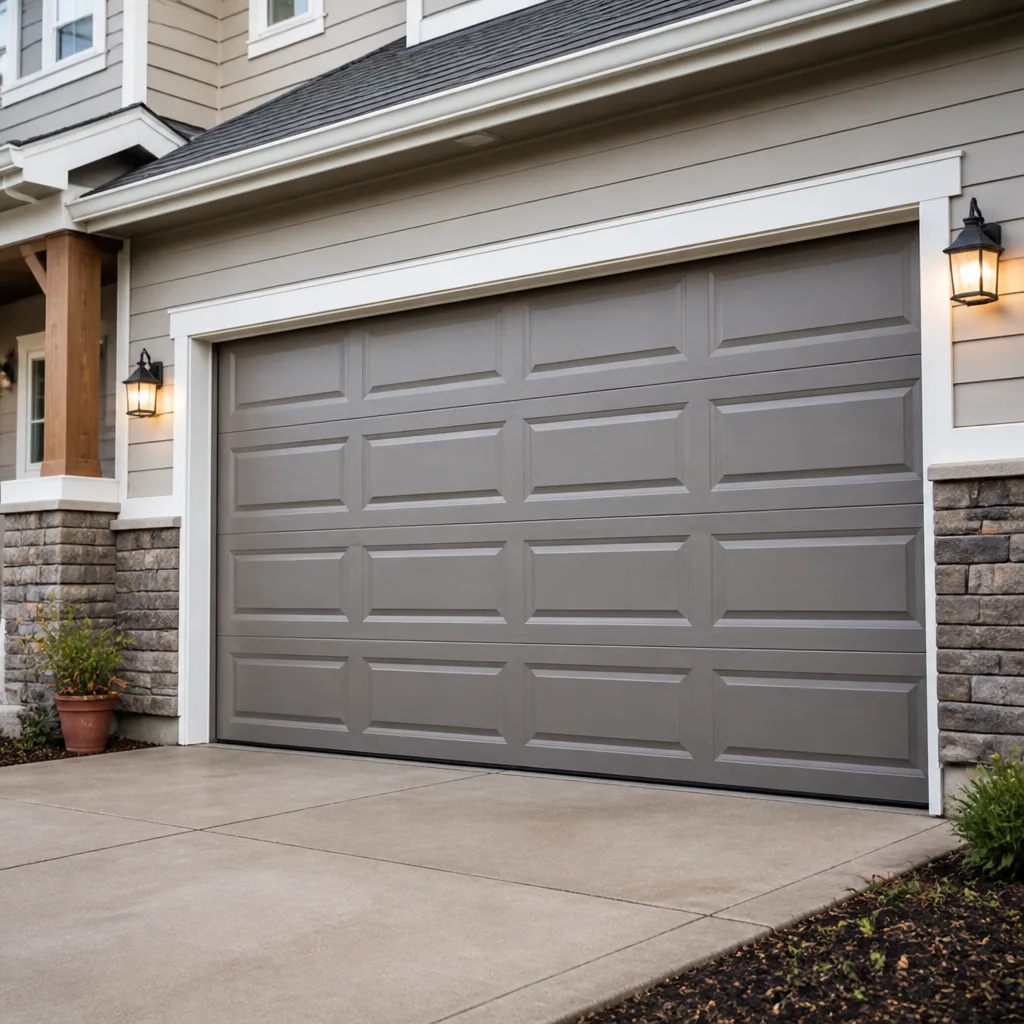 Raised-panel steel
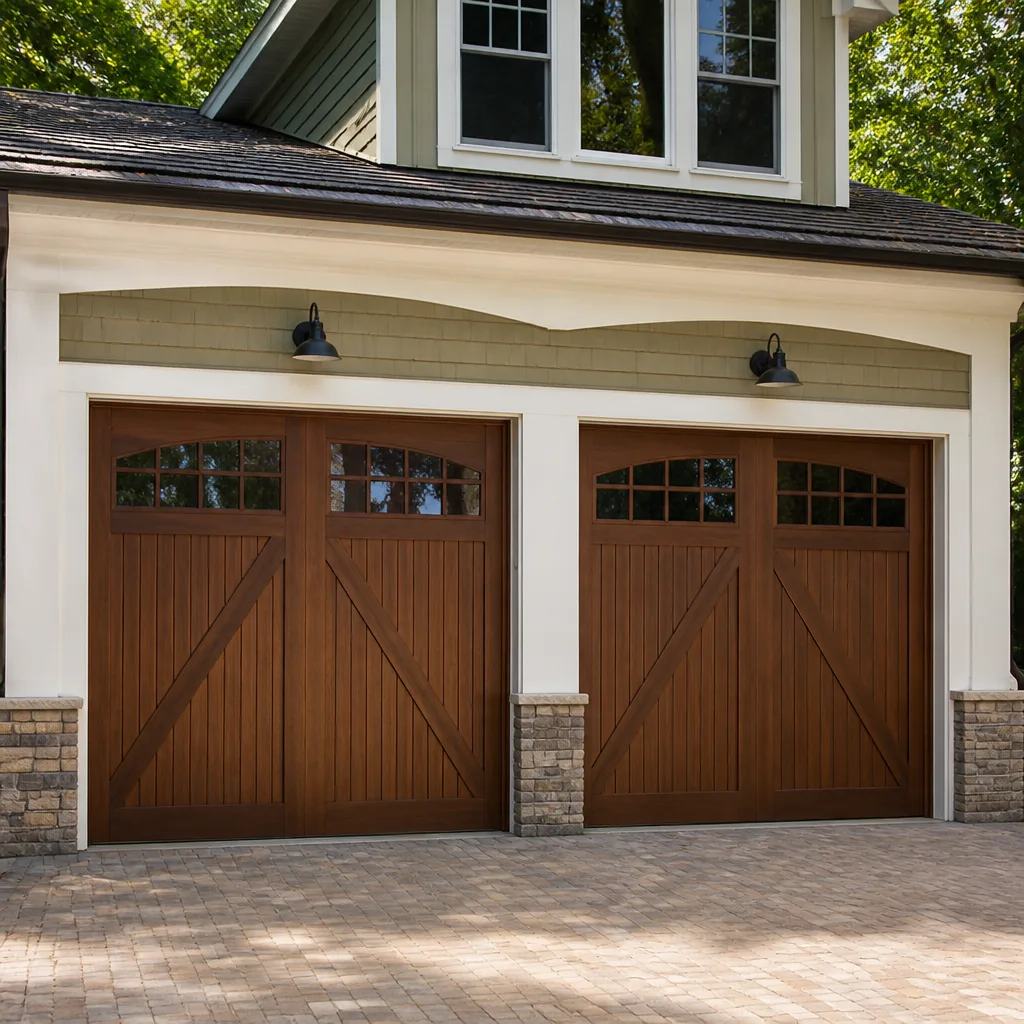 Carriage house
 Modern flush
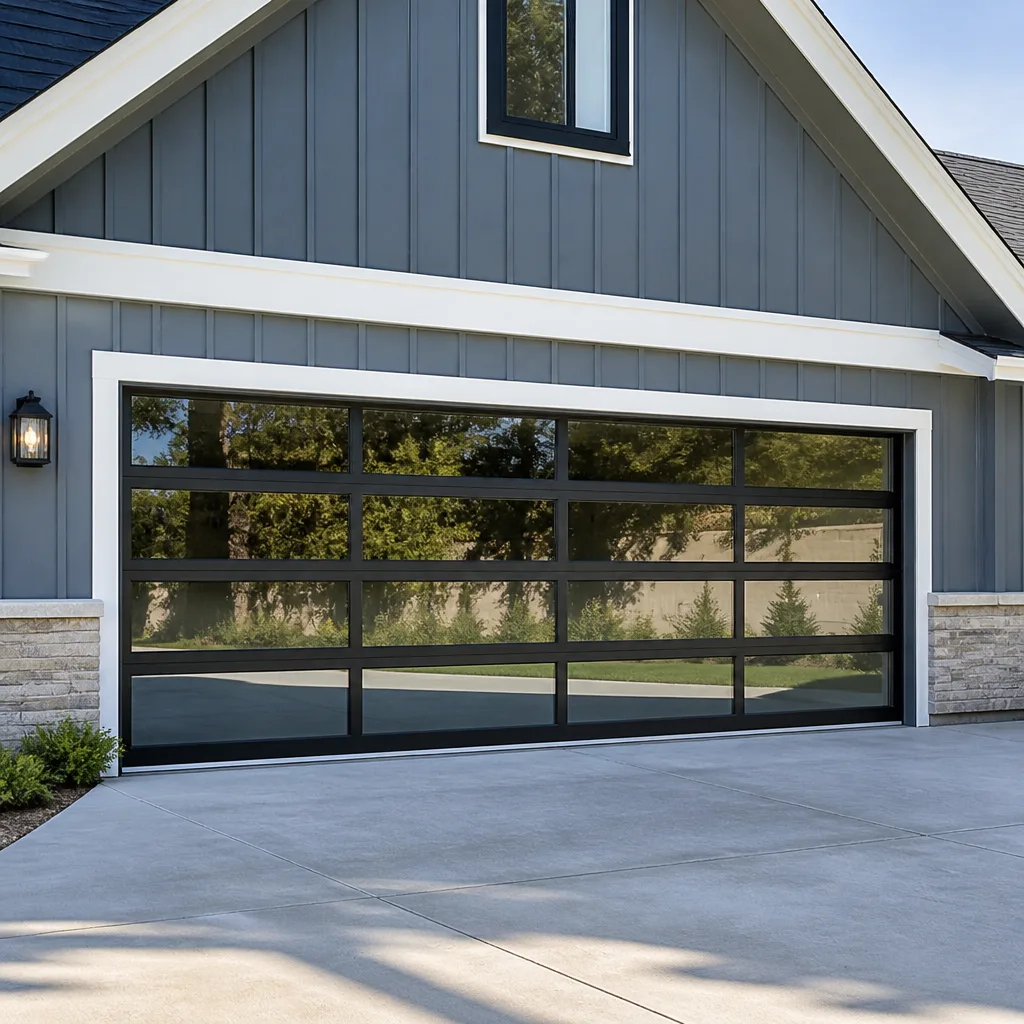 Full-view glass
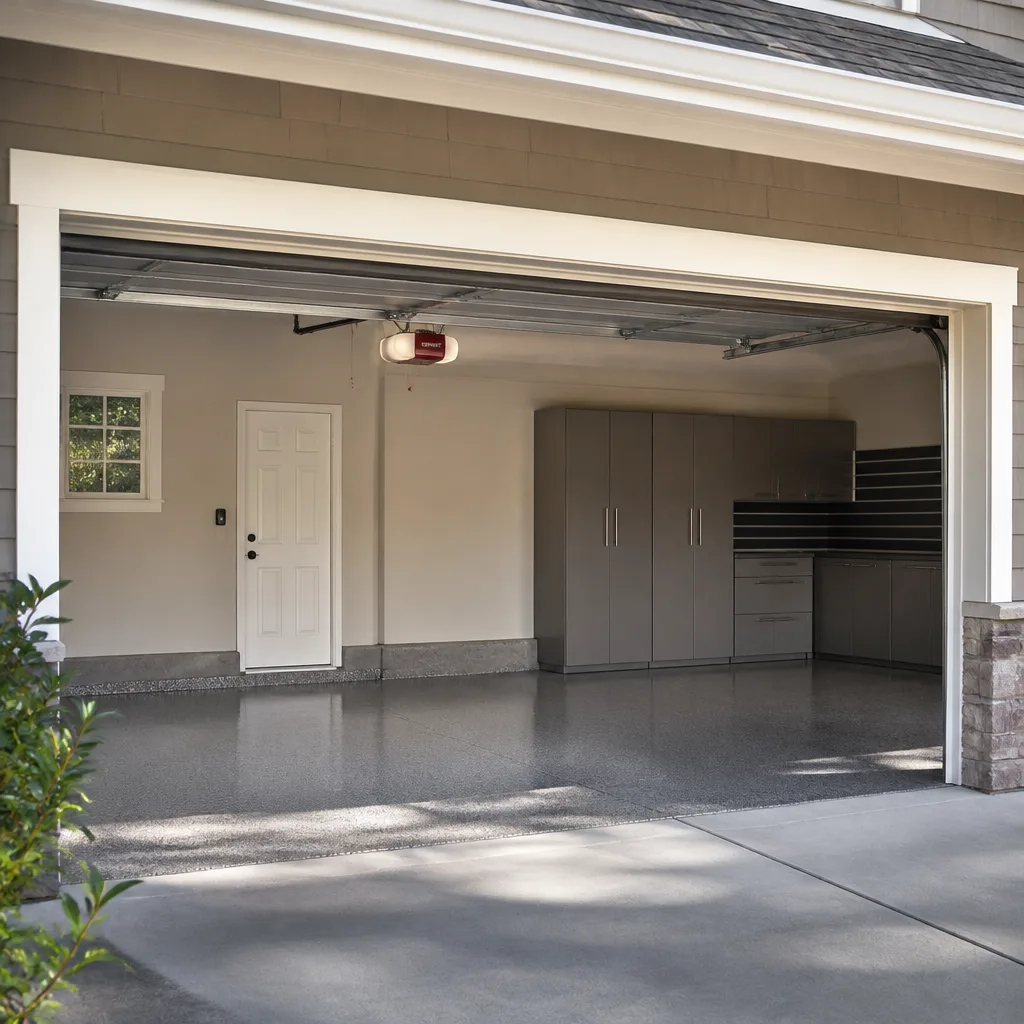 LiftMaster openers
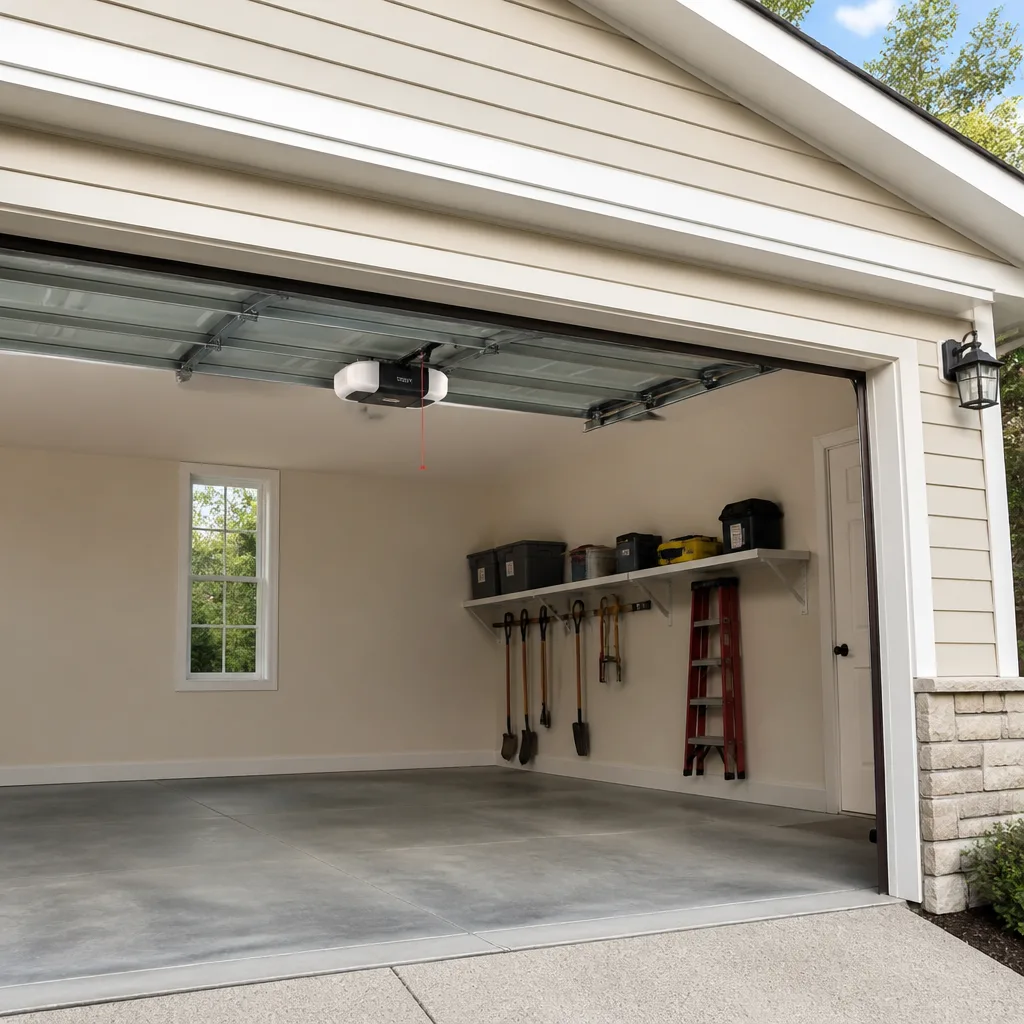 Chamberlain openers
Full 25-point door and opener safety check with every visit - springs, cables, rollers, tracks, and your LiftMaster or Chamberlain opener included
You get a price before we start. It does not change when the pro arrives.
Get your free estimateGarage Door Permits, Codes & Inspections in Fox Chase, PA: What You Need to Know
Most Fox Chase homeowners assume any garage door project needs a permit. The truth is narrower, and more useful: a straight like-for-like replacement usually falls under routine maintenance, while changing the opening, adding an operator to a manual door, or cutting into the structural header is a different category of work entirely. That distinction matters at resale, at inspection, and when an insurer asks who signed off on the work. This guide draws the line for Fox Chase, PA homeowners, explains what a garage door inspection actually covers, and lays out who is responsible for pulling a permit before a single bolt is turned.
Quick Answer
In Fox Chase, PA, a like-for-like garage door replacement generally does not require a building permit, but changing the size of the opening, converting a manual door to an operator, or altering the structural header almost always does. Inspections focus on fire separation for attached garages, header load capacity, and the safety reverse function of any automatic opener. Always confirm the specific requirement with the local code office before work starts, because Fox Chase straddles two jurisdictions (Philadelphia County and Montgomery County) and the answer can differ from one side of the boundary to the other.
Styles & brands we work with
- Raised-panel steel
- Carriage house
- Modern flush
- Full-view glass
- LiftMaster openers
- Chamberlain openers
Table of Contents
- What counts as a “permit job” versus routine maintenance
- Philadelphia County vs. Montgomery County: which rules apply on the Fox Chase boundary
- What an inspector actually checks during a garage door inspection
- How unpermitted garage work surfaces during a home sale
- The contractor’s role in permitting: who pulls it and who is liable
- Opener and safety reverse code requirements
- Questions to ask before work begins
- Common mistakes to avoid
What Counts as a “Permit Job” Versus Routine Maintenance?
A garage door replacement is treated as maintenance when the new door matches the old one in size, position, and function. Change any of those variables and you’ve crossed into permit territory. That’s the simple version, and it holds across most of Pennsylvania because the state’s Uniform Construction Code sets the baseline and local municipalities add their own enforcement on top.
Here is how the split usually breaks down in Fox Chase:
- Maintenance, typically no permit: replacing a worn door with the identical make and size, swapping out a torsion spring, replacing panels, changing a lift cable, or repairing a track in the same location.
- Permit required, typically: widening or narrowing the garage opening, raising or lowering the header, converting a manual door to an automatic one (this introduces electrical work), replacing the structural header itself, or converting a garage space to living area.
- Gray area, ask the code office: changing to a heavier door that adds load to the existing header, or moving the track out of plumb.
The word “usually” is doing real work in that list. Enforcement is local, and a Fox Chase homeowner within the Philadelphia County line may get a different answer than a neighbor a few streets away in Montgomery County. That’s not a reason to guess; it’s a reason to call the code office on the specific address before the job is scheduled.
If you’re weighing a replacement rather than a repair, garage door installation covers how we scope a job and what questions to have answered before we measure.
Philadelphia County vs. Montgomery County: Which Rules Apply?
Fox Chase sits near the boundary between Philadelphia County and Montgomery County, and that geography is the single biggest source of permitting confusion for homeowners here. Two adjacent properties can fall under two different code offices with slightly different paperwork, different inspection scheduling, and different thresholds for what counts as repair versus alteration.
Here is what we tell homeowners to work out before they start:
- Confirm your municipality. Check your property tax bill or deed. Philadelphia County properties go through the city’s Department of Licenses and Inspections for permits; Montgomery County properties go through their own local code enforcement office.
- Call the right office with the address. Give the address and describe the scope in plain terms (“replacing a 16-foot door with a 16-foot door, same location, no opening change”). Ask whether a permit is required.
- Get the answer in writing. An email or a permit number is proof you can keep. Verbal answers don’t survive a home sale.
- Ask about inspection cadence. Some offices inspect on a fixed schedule; others require the contractor to request an inspection. The two sides of the boundary don’t always match.
For most replacements in Fox Chase, the answer is “no permit needed,” and the call takes ten minutes. For a door widening or an opener retrofitted to a manual door, the answer is usually “yes, and here’s the form.” We’ve seen homeowners near the Fox Chase line get tripped up simply because they assumed both sides of the boundary used the same office. They don’t.
If you’re not sure where to start, we can point you in the right direction when we come out for an estimate. Same goes for any repair: garage door repair explains what a typical job looks like and what we’ll ask about the property before we schedule.
What an Inspector Actually Checks During a Garage Door Inspection
A garage door inspection is not just a visual once-over. When a permit triggers an inspection, the inspector is checking three things nearly every time: fire separation for attached garages, structural load on the header, and the safety features of any automatic operator. Here’s what each one means in practical terms.
Fire separation for attached garages
When a garage is attached to the house, code requires a minimum fire separation between the two – typically a specific rating on the wall and ceiling assembly between garage and living space. If the permit work touched the header, altered the wall, or installed an opener that changes the door’s sealing, the inspector will look at whether the fire barrier was preserved. A door that used to be attached cleanly and now sits off-square can leave a gap at the top. That gap matters.
Header load capacity
The header is the structural beam above the garage opening. It carries load from above and needs to match the weight and span of the door it holds. A heavier door on an existing header is fine if the header was designed for it. If the door size changed – especially a widening – the header has to be re-evaluated. This is not a detail a general handyman is equipped to size correctly. It’s a load calculation.
Opener safety reverse
Any automatic operator must reverse the door upon contact with an object, and must reverse when the safety sensor beam is interrupted. Inspectors check both. If the opener is older and has never been adjusted, the reverse may not trip reliably. Modern openers from LiftMaster and Chamberlain include self-monitoring features that make this easier to verify, but a legacy chain-drive unit can pass or fail on a small adjustment.
If your opener is on the older side and you’re not sure it will pass an inspection, garage door opener repair covers what we check and how adjustments are made.
For a permit job, the inspector may also look at the electrical work feeding the opener (if new), the mounting of the door to the framing, and how the door seals at the top and sides. It’s a short list, but every item on it is a reason a project can stall if it wasn’t planned from the start.
How Unpermitted Garage Work Surfaces During a Home Sale
Unpermitted garage work has a habit of staying quiet for years and then surfacing all at once when a house goes on the market. There are three common ways it gets exposed in Fox Chase:
- Title search and permit history. When a buyer’s attorney pulls the permit history on a property, an open or missing permit shows up. So does a completed job that never had an inspection recorded against it.
- Home inspection reports. A good home inspector checks the garage door, the opener, the header, and the fire separation. If the door was widened without a permit, the inspector will note the discrepancy between what the county records show and what’s physically there.
- Insurance claims. If something fails on the door or the opener causes damage, the insurer may ask for documentation of the install. An unpermitted modification is an easy reason to deny a claim or to reduce the payout.
What follows is typically a retroactive permit application, an inspection with the door in place (which can mean opening up walls to see the header), and a delay in closing. The buyer’s lender may also want the work signed off before funds are released. This is a known pattern in older Fox Chase neighborhoods where garages were added or modified over decades, often without documentation.
If you’re buying or selling a Fox Chase home with a modified garage, ask the seller for permit records on the garage before you make an offer. If you’re the seller and you know the work was done without a permit, call the code office yourself and start the retroactive process. It’s almost always faster and less expensive to fix on your timeline than to fix two weeks before closing.
The Contractor’s Role in Permitting: Who Pulls It and Who Is Liable?
The permit is the contractor’s job, not the homeowner’s. That’s the practical answer, and it’s the one that protects you in a dispute. If a contractor tells you to pull the permit yourself, that’s a signal to ask more questions before signing anything.
Here is how the roles typically split:
- The contractor pulls the permit. The permit is filed in the contractor’s name, using their license or registration with the local code office. This is standard practice and it’s what makes the inspection meaningful.
- The contractor is liable for the scope on the permit. If the permit says “replace door, same size” but the crew widens the opening, the contractor has misrepresented the work. That’s on them.
- The homeowner is liable for the property. If a permit was required and nobody pulled it, the property owner is the one who has to resolve it – usually at resale, sometimes sooner if a neighbor complains or an inspector sees the work.
- Both parties sign off at inspection. The final inspection is the moment when the inspector confirms the work matches the permit. That’s the record that protects you at sale.
Before any Fox Chase garage door work begins, ask these questions in order:
- “Is this job a permit job under the code for my address?”
- “If it is, will you pull the permit, and can I see the application?”
- “What’s the inspection timeline, and who schedules it?”
- “Will the final inspection be filed before you consider the job closed?”
- “If the permit is denied or the inspection fails, what happens to my contract?”
A contractor who answers these without hesitation is a contractor worth working with. A contractor who treats a permit as an annoyance is one who’ll leave you holding the paperwork in five years.
Opener and Safety Reverse Code Requirements
Any new opener installation – including converting a manual door to automatic – triggers safety requirements that a permit inspection will verify. Understanding what those checks are makes it easier to know what “passing” looks like.
The core requirements, in plain terms:
- Contact reverse. The door must reverse when it meets an obstruction during closing, typically within a specific distance of travel. Older openers sometimes drift out of adjustment and fail this test.
- Photo-eye safety beam. The sensor set is mounted near the floor, usually with one emitter and one receiver. Breaking the beam during closing must reverse the door. Modern LiftMaster and Chamberlain units typically include this; replacing a legacy opener to add it is a common upgrade.
- Force adjustment. The opener must apply enough force to close the door but not so much that it crushes an obstruction. Modern openers check this at setup.
- Wall-mounted control height. The wall button must sit at a specific height so that small children can’t easily reach it, and it must be a constant-pressure control (release the button and the door stops).
- Manual release. The emergency release cord must be present, functional, and set at a height that an adult can reach.
If your opener installation used a Genie or Craftsman unit, the requirements are the same. The brand doesn’t change the standard; the standard is what it is. What does change is how easy the opener is to verify during inspection. Smart-connected openers from LiftMaster and Chamberlain offer app-based diagnostics that make a technician’s job faster and a homeowner’s documentation cleaner.
If you’re considering a manual-to-automatic conversion, this is exactly the project that crosses the permit line in Fox Chase. The opener adds electrical work, and an inspector will want to see the safety features in place. Plan for it, and the inspection is a formality rather than a surprise.
Questions to Ask Before Booking Garage Door Work in Fox Chase
These questions are the fastest way to sort out a permit question, a scope question, and a liability question in one call:
- “What’s the exact scope of work?” Get it in writing. “Replace door” is not the same as “replace door and adjust track and install new opener.”
- “Is a permit needed for this address?” If the contractor doesn’t know, they should be able to find out before quoting.
- “Who pulls the permit, and under whose name?” The answer should be the contractor.
- “What’s the inspection timeline?” A permit with a pending inspection is not a finished job.
- “What happens if you find something unexpected?” A header that needs sistering or a track that needs re-anchoring adds scope. Ask how change orders are handled before you’re in the middle of one.
- “Are the technicians trained on my specific brand?” If the door is a Clopay and the opener is a LiftMaster, the crew should know both systems without guesswork.
For a straight replacement where the permit answer is “no,” only questions 1, 5, and 6 really matter. For a widening or a conversion, all six apply, and the answers should be in writing before work starts.
Common Mistakes to Avoid
- Assuming “replacement” always means “no permit.” It does most of the time, but the moment the size or function of the door changes, the assumption falls apart. Ask the code office about the specific address, not the general rule.
- Treating a heavier door as a cosmetic upgrade. A heavier door adds load to the header. If the header wasn’t engineered for it, the door works fine until it doesn’t. Have the header evaluated before the door is ordered, especially on older Fox Chase homes built before modern load standards.
- Converting a manual door to an opener without telling the code office. This is the most common permit miss in Fox Chase. It adds electrical work, which is a permit trigger in almost every jurisdiction – and it’s the change an insurer will ask about if a claim ever comes up.
- Letting a contractor tell you to pull the permit. The permit should be in the contractor’s name, not yours. If they push back, that tells you how they’ll handle a failed inspection.
- Skipping the retroactive permit at resale. Buyers, lenders, and title attorneys all see missing permits eventually. Fixing the paperwork before listing is faster and cheaper than fixing it during closing.
- Not asking about the two jurisdictions. If you’re near the Philadelphia County and Montgomery County line, confirm which code office has jurisdiction over your address before anyone files anything. A permit filed with the wrong office doesn’t count.
- Forgetting the safety reverse adjustment after installation. A new opener that hasn’t been adjusted to trip reliably on obstruction will fail the inspection – and more importantly, will leave a real safety gap in the home.
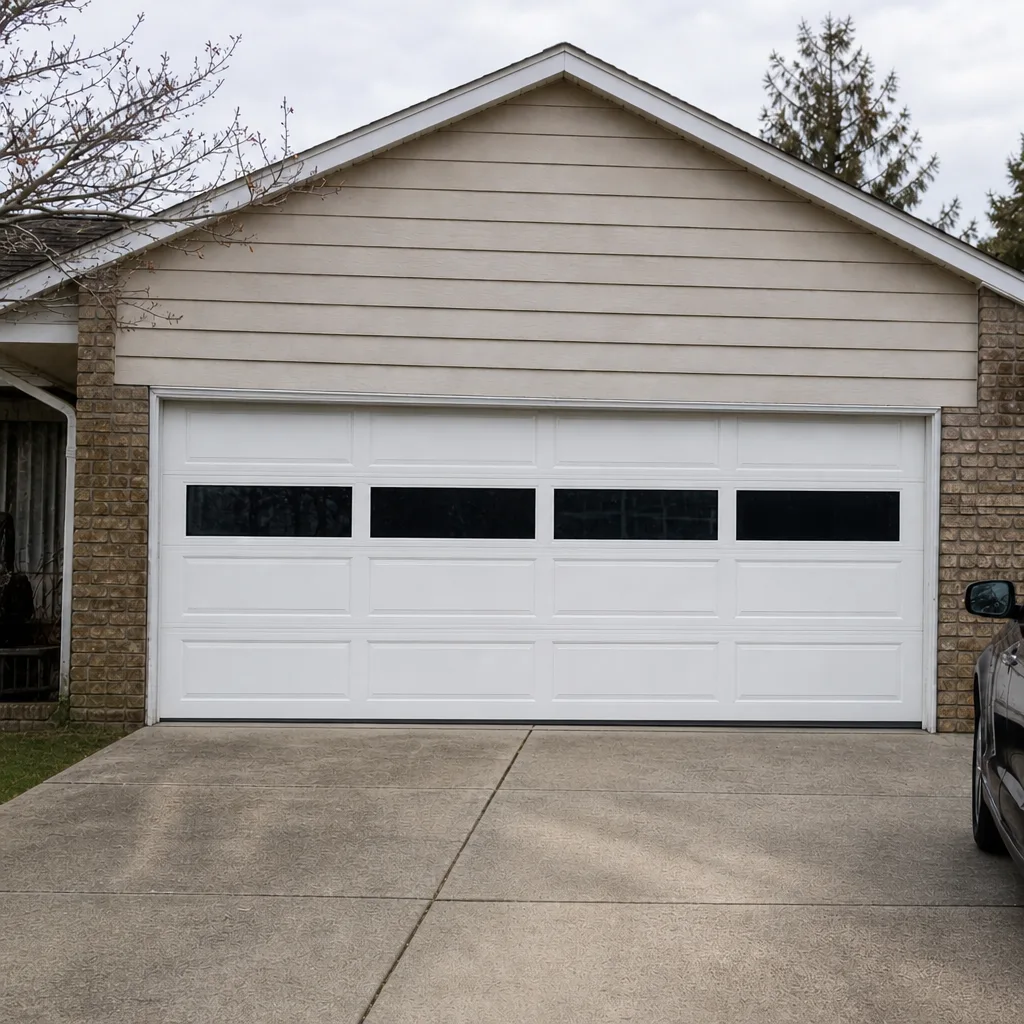
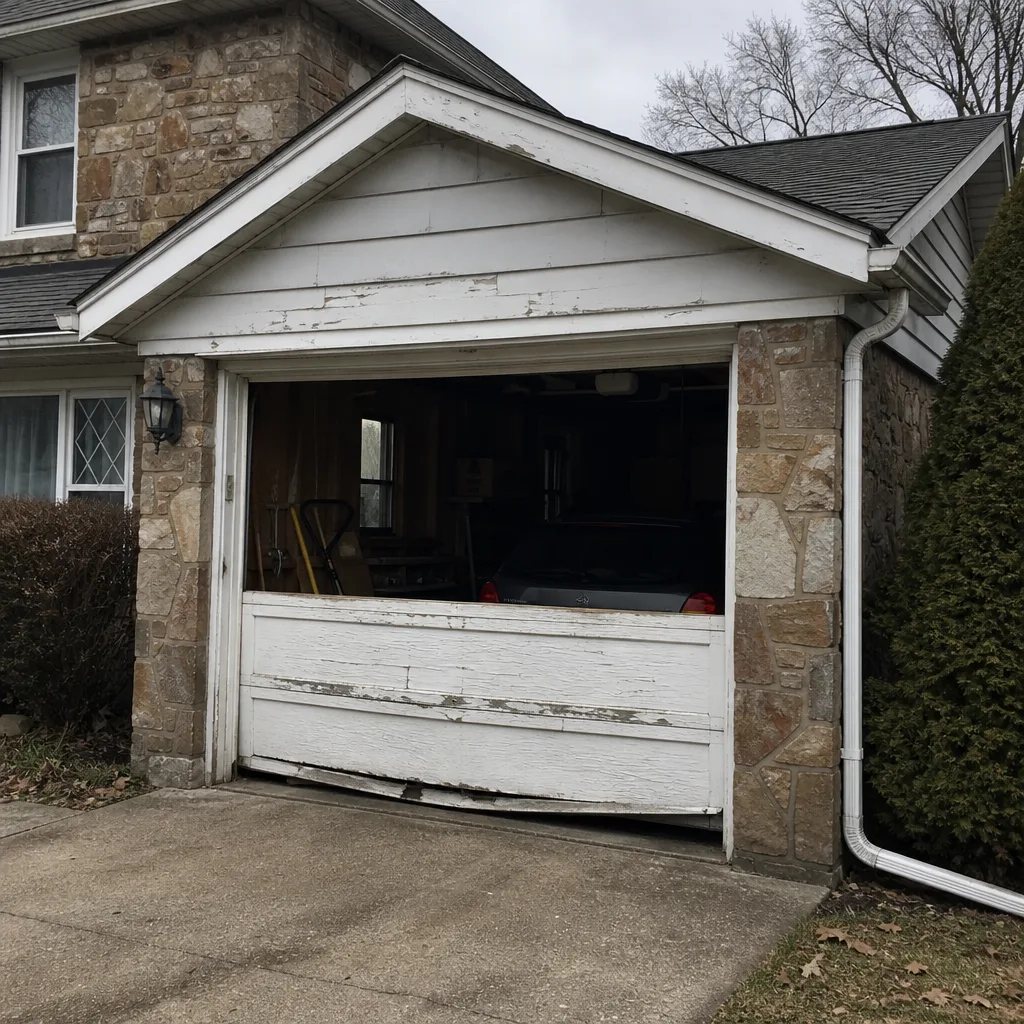
See the difference
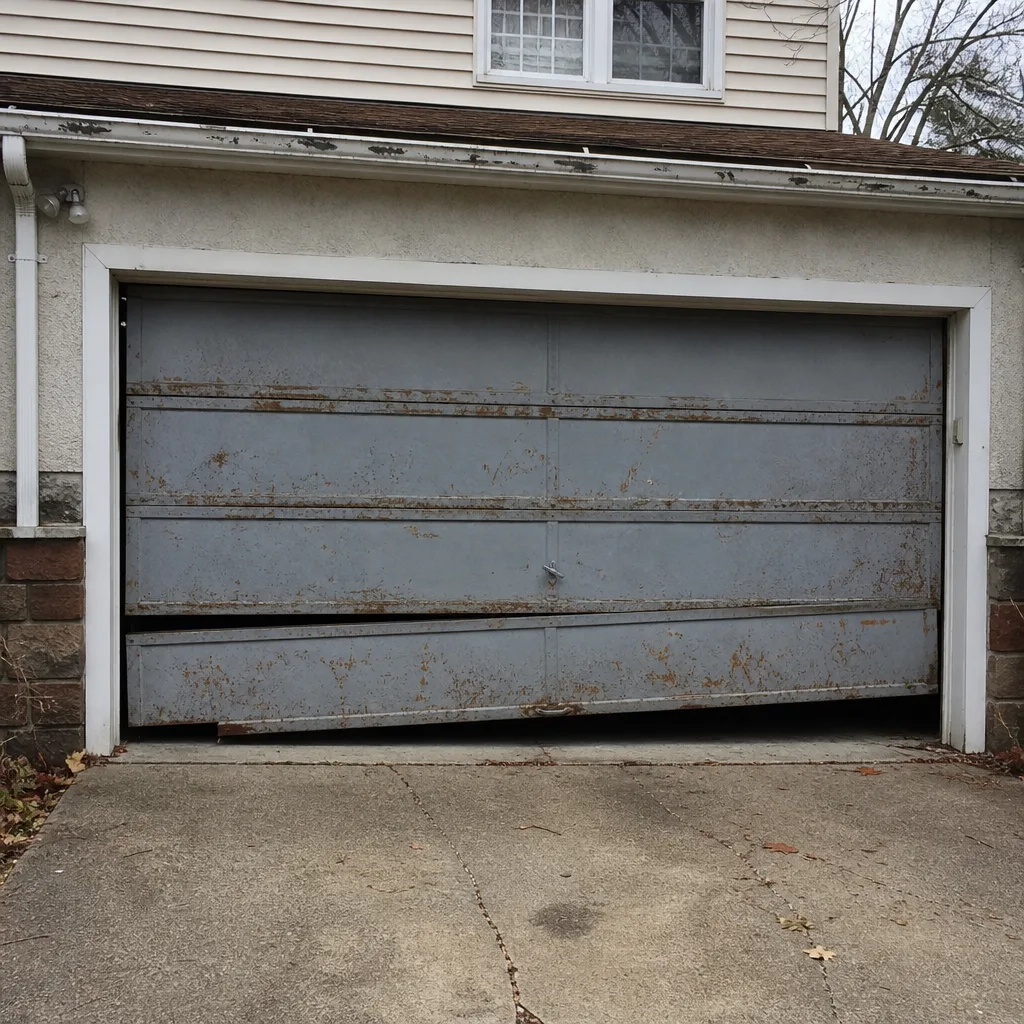 Before
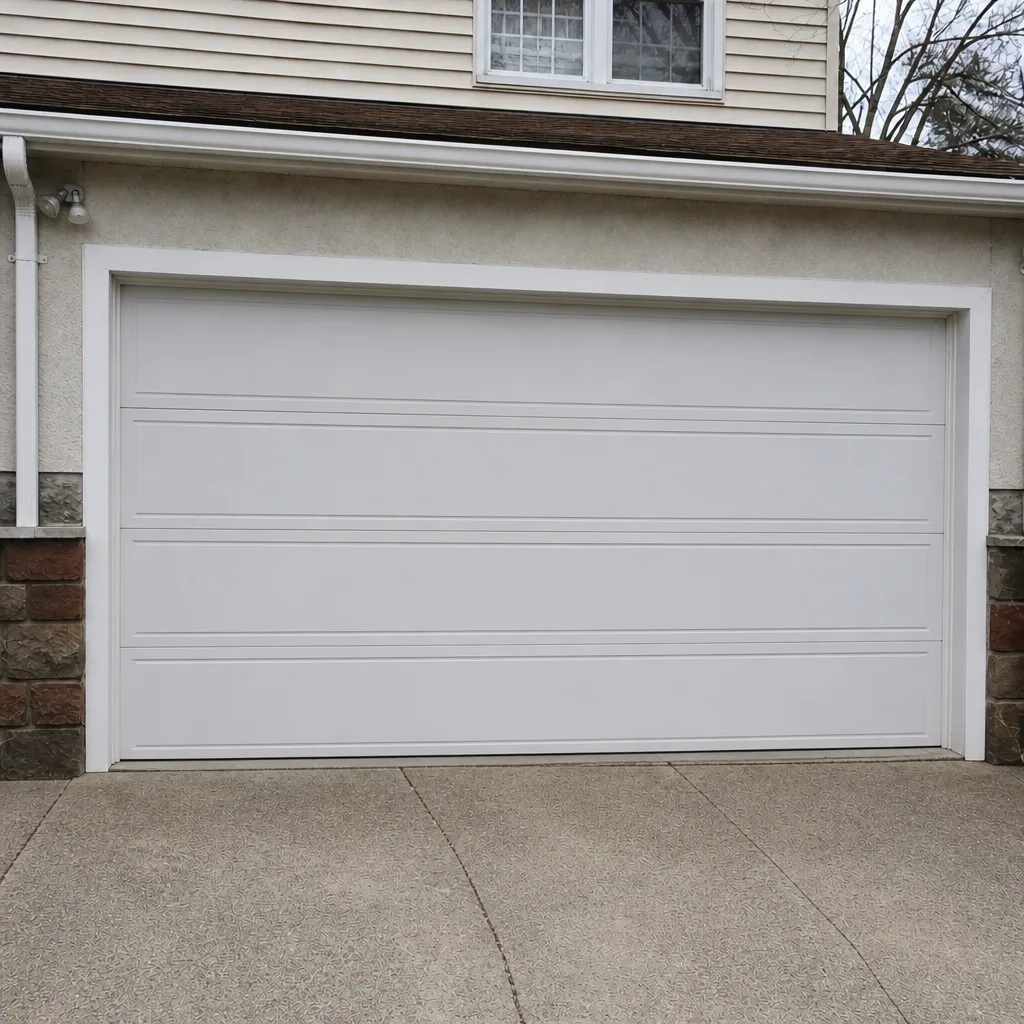 After
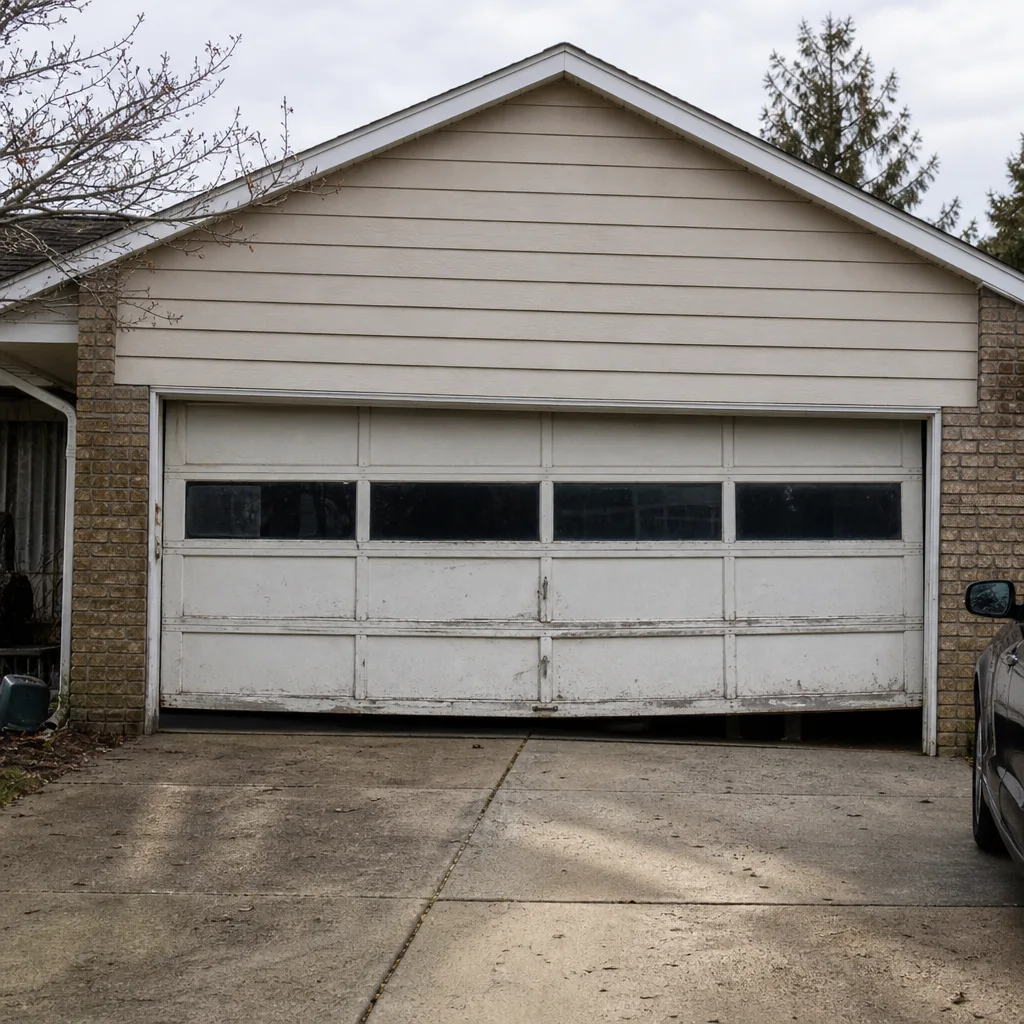 Before
 After
 Before
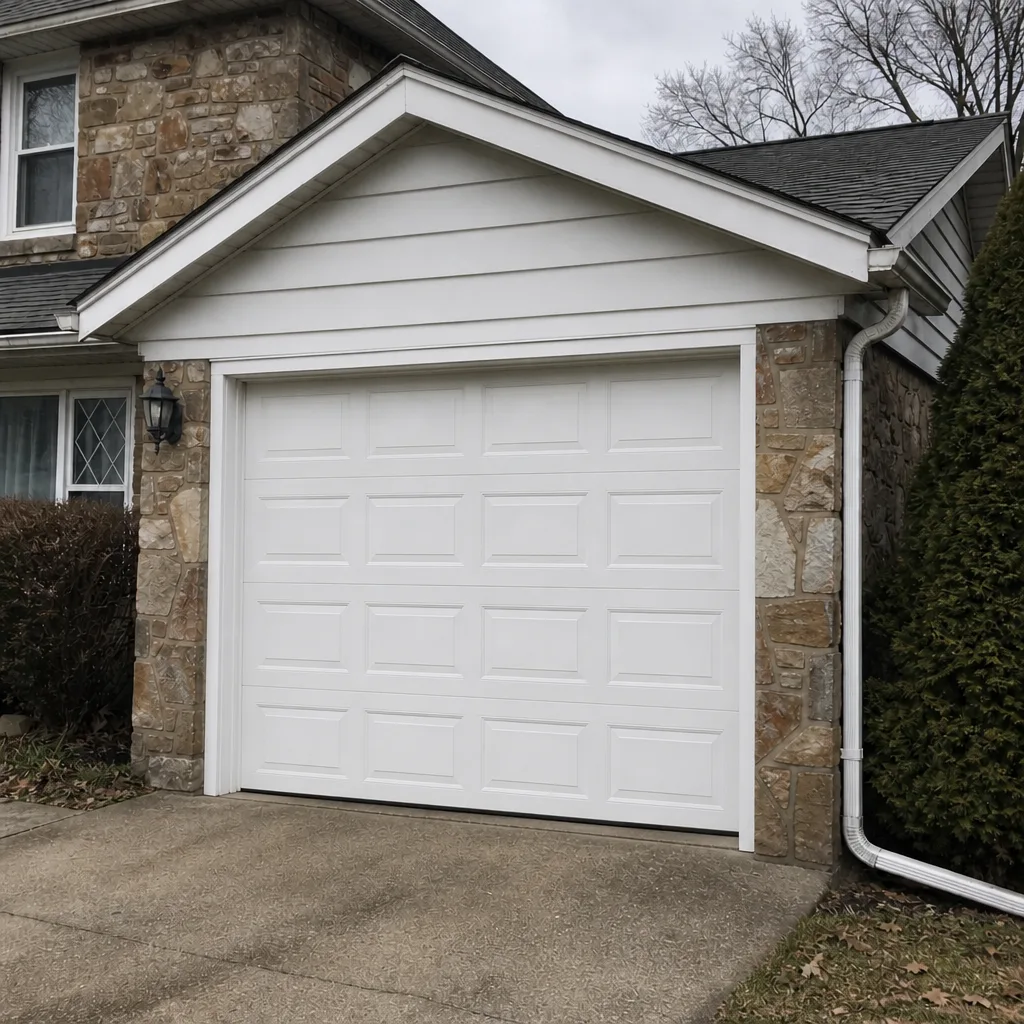 After
When to Call a Professional
If the garage door work involves changing the opening size, converting a manual door to an automatic opener, or touching the structural header, call a professional before booking anything. Those are the projects where the permit question turns on a load calculation and an inspection, not a visual estimate. Spring work is the other category – torsion springs are under high tension and can cause serious injury if handled without the right tools and training. We don’t recommend DIY on springs or on header modifications, and neither does any contractor who has been doing this long enough to have seen what goes wrong.
Garage Door Repair Fox Chase offers free estimates in Fox Chase – call (877) 651-7237. Our technicians have up to 11 years of experience, and we work on all eight of the widely installed brands, including LiftMaster, Chamberlain, Genie, and Clopay.
Frequently Asked Questions
Usually not, as long as the new door is the same size and in the same position as the old one. A like-for-like replacement counts as routine maintenance in most cases. If you’re changing the size, converting to an automatic opener, or altering the header, a permit is generally required. Call your code office with the address before work starts, because Fox Chase straddles Philadelphia County and Montgomery County and the answer can differ street by street.
A repair restores the door to its existing function; an alteration changes something about the door, the opening, or how it operates. Replacing a spring or a panel is a repair. Widening the opening, raising the header, or adding an opener to a manual door is an alteration, and alterations are what trigger permits. The distinction comes down to function, not appearance.
Timelines vary by jurisdiction, and we don’t promise a specific number. Philadelphia County’s Department of Licenses and Inspections and the Montgomery County code offices each run their own scheduling. In our experience, the inspection itself is quick once it’s on the calendar; the wait is usually in scheduling. Ask the code office for their current schedule when you file, and ask your contractor to request the inspection as soon as the work is ready for it.
It can. An opener installed without a permit may not show up in the county’s permit history, which a buyer’s attorney will check, and a home inspector may note discrepancies. The resolution is a retroactive permit and inspection, which is usually manageable but almost always slower than pulling the permit the first time. If you’re selling in Fox Chase and know an opener was added without a permit, start the fix before you list.
The local professional we connect you with is licensed and insured as their state requires. Pennsylvania doesn’t issue a single statewide garage door contractor license, so licensing is handled at the local level, and insurance is carried by the contractor. Ask for a certificate of insurance before work starts on any project that touches the structural header or requires a permit.
For an emergency – a door stuck open, a broken spring, or a door blocking a vehicle – call us and we’ll respond the same day. Emergency repair of a stuck door doesn’t need a permit; it’s restoring function, not altering it. If the underlying fix turns out to require a permit (for example, a broken spring that reveals a bent track or a sagging header), we’ll explain what’s needed and what the permit process looks like before we scope anything larger. Call (877) 651-7237 and we’ll get you sorted.
The Bottom Line
The permit line in Fox Chase is simpler than it looks. Like-for-like replacement doesn’t need one; anything that changes the size, function, or structure of the opening does. Inspectors check fire separation, header load capacity, and safety reverse on any automatic opener. Unpermitted work surfaces at resale, and the fix is almost always slower than the original permit would have been. If you’re near the Philadelphia County and Montgomery County line, confirm which office applies to your address before you file. For a free estimate on repair, spring work, opener service, or a full replacement, call Garage Door Repair Fox Chase at (877) 651-7237.
Written by the team at Garage Door Repair Fox Chase.