Last updated November 21, 2026
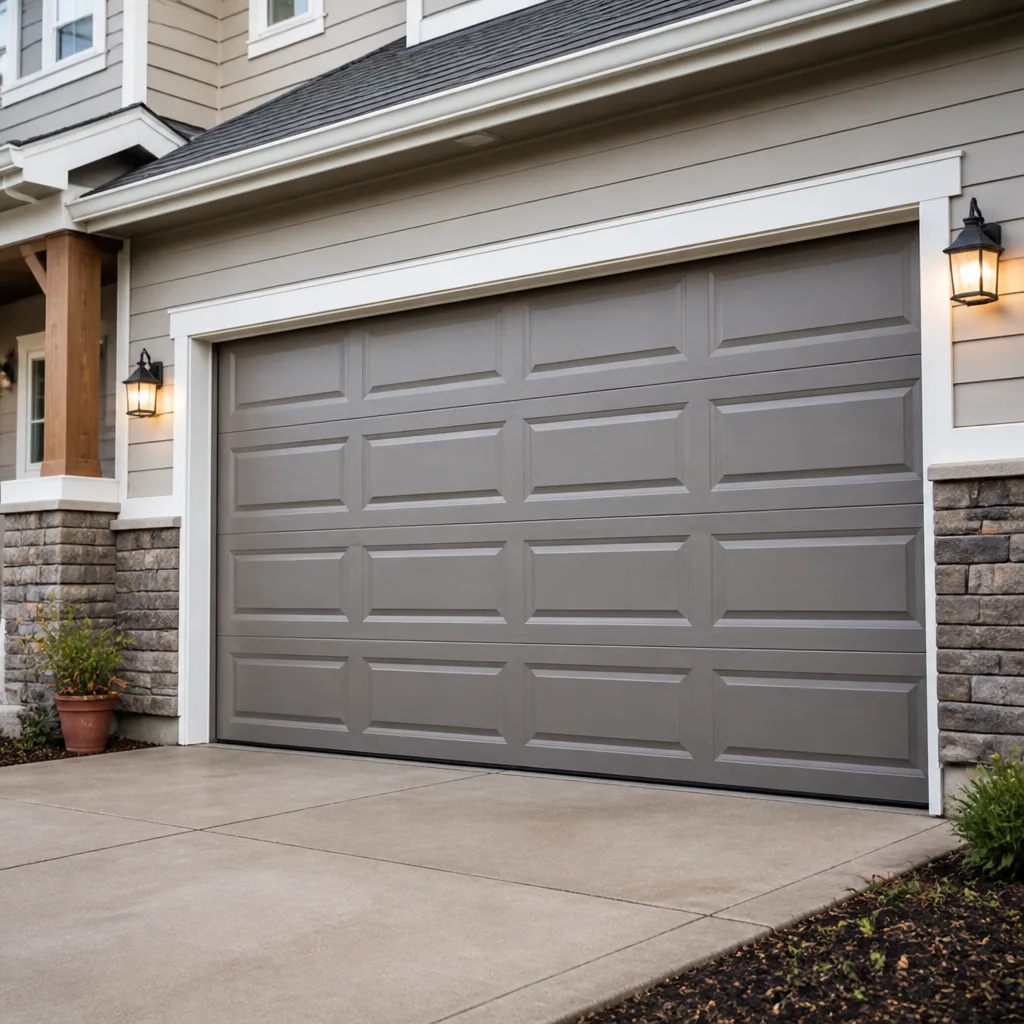 Raised-panel steel
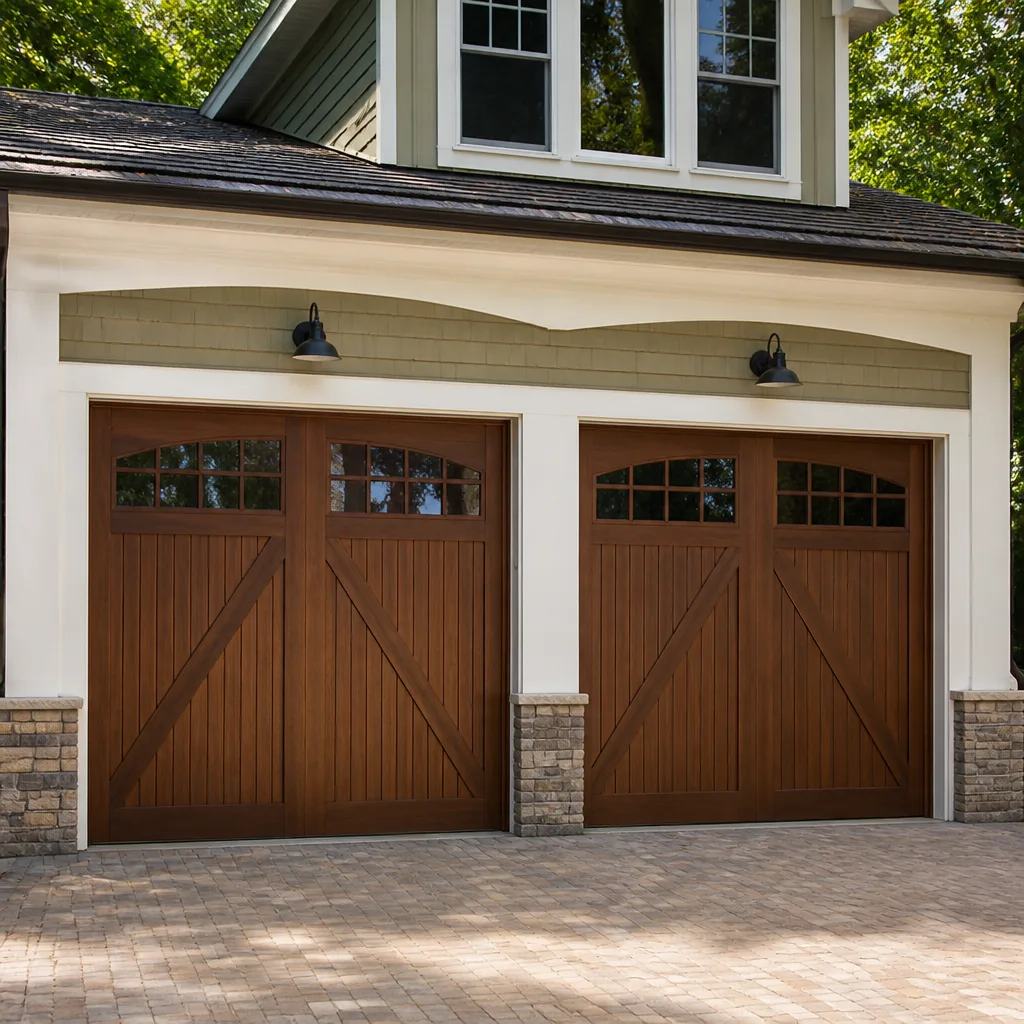 Carriage house
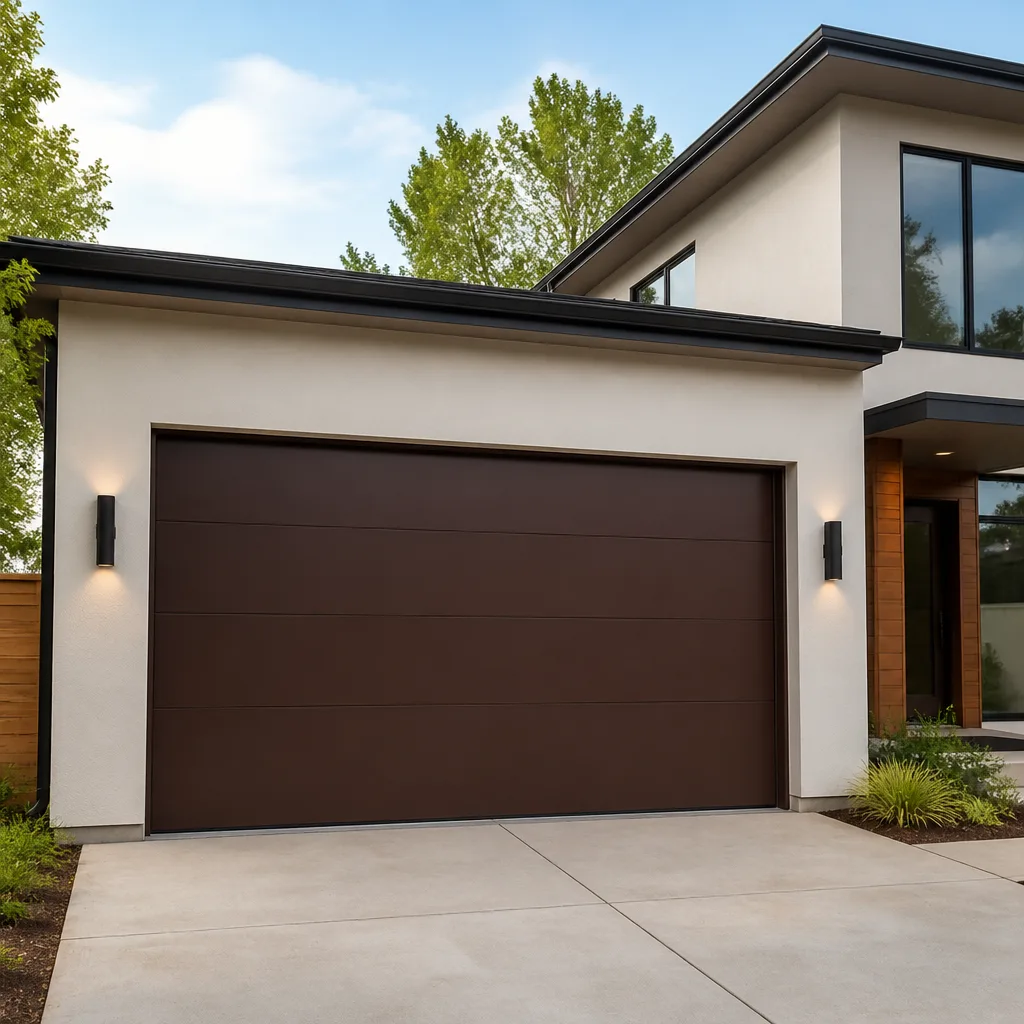 Modern flush
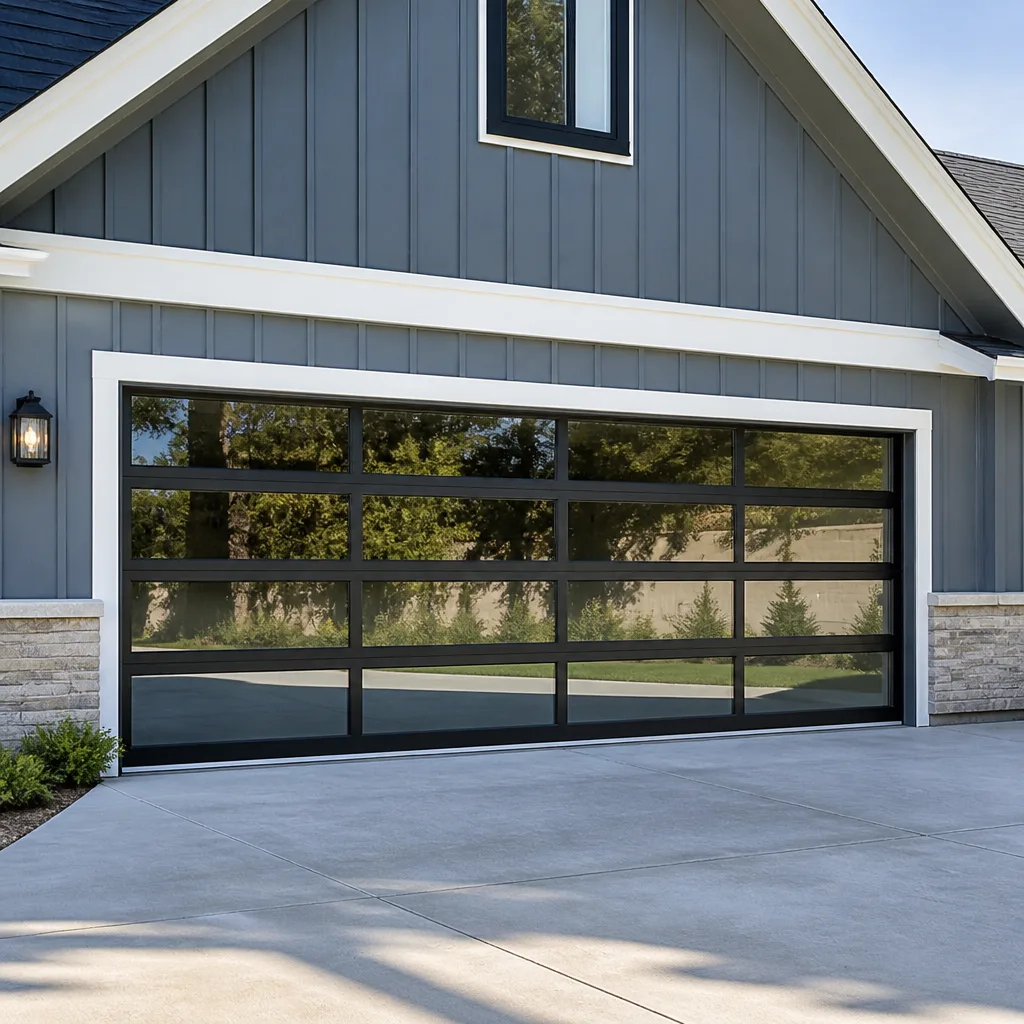 Full-view glass
 LiftMaster openers
 Chamberlain openers
Full 25-point door and opener safety check with every visit - springs, cables, rollers, tracks, and your LiftMaster or Chamberlain opener included
You get a price before we start. It does not change when the pro arrives.
Get your free estimateGarage Door Warning Signs: A Fox Chase Homeowner’s Reference Guide
A door that shudders on the way up and a door that shudders on the way down are two different problems. They point to two different components, need two different repairs, and cost two different amounts. Yet most homeowners describe both the same way: “my door is shaking.” That gap between what a door is doing and how it gets described is where misdiagnosis lives. Garage doors rarely fail out of nowhere. They send signals for weeks first, and those signals get filed under normal aging. This guide teaches you to read the signals by component, so you can describe what’s happening in Fox Chase accurately and get the targeted repair the door actually needs.
Quick Answer
Garage door warning signs fall into three groups: sounds (grinding, squealing, popping, banging), visual changes (sagging panels, frayed cables, worn rollers, gaps at the bottom), and behavior shifts (slow response, reversal, uneven travel, a door that won’t stay up). Popping or banging usually means spring trouble and the door should stop being used today. Grinding and squealing are typically rollers, tracks or the opener and can usually wait for a scheduled visit. A door that reverses, drops fast, or has a visible cable fray is a stop-now sign. The balance test below tells you which category you’re in before you call anyone in Fox Chase.
Styles & brands we work with
- Raised-panel steel
- Carriage house
- Modern flush
- Full-view glass
- LiftMaster openers
- Chamberlain openers
Table of Contents
- Why “My Door Is Acting Up” Is a Diagnosis Problem
- Sound Diagnostic Matrix: What Each Noise Points To
- Visual Warning Signs, Sorted by Urgency
- Slow Wall Button vs. Slow Remote: Two Different Failures
- The Balance Test: An Early-Warning Tool You Can Run
- How to Describe the Problem So the First Quote Is Accurate
- Fox Chase Conditions That Wear Doors Faster
- Repair or Replace? Reading the Warning Signs Together
Why “My Door Is Acting Up” Is a Diagnosis Problem
Garage doors are a system of moving parts that talk to each other: springs, cables, rollers, hinges, tracks, panels and the opener. When one part wears, the symptom shows up somewhere else. A worn roller makes a grinding noise that sounds like it’s coming from the opener. A tired spring makes the opener strain, which a homeowner reads as “the motor is dying.” A misaligned track makes a panel bind, which looks like a bent door.
That’s why the words you use matter. When you tell a technician “the door shudders going up,” they hear a different set of likely causes than when you say “the door shudders coming down.” Up-travel shudder usually points toward spring tension, roller condition or track alignment. Down-travel shudder tends to point toward cable tension, hinge wear or a track that’s pinching on the way down. Same word, different parts.
Some contractors hear a vague description and quote a full replacement, because it’s easier than diagnosing. A specialist doesn’t need to do that. In our experience across Fox Chase, most “the door is finished” calls turn out to be one component: a spring pair, a set of rollers, a bent track section. Knowing which category you’re in keeps you from paying for a door you don’t need.
This guide is organized to do one job: help you match a symptom to a component. Read the section that matches what your door is doing, run the balance test, then describe it clearly. If the symptom is in the stop-now column, stop using the door and call. Everything else can be scheduled.
Sound Diagnostic Matrix: What Each Noise Points To
Noise is the earliest and most reliable warning a garage door gives. The table below maps the four sounds homeowners most often report to the component most likely causing them, plus how urgent each one is. Use it as a starting point, not a final diagnosis; a technician confirms it on site.
- Grinding – Most likely: worn steel rollers, dry hinges, or a track the rollers are scraping. Urgency: schedule a visit. Left alone, grinding rollers wear the track and turn a small repair into a bigger one.
- Squealing – Most likely: dry torsion springs, dry rollers, or a failing opener bearing. Urgency: schedule a visit. This is the one sound that’s often purely a lubrication and adjustment issue.
- Popping – Most likely: a torsion spring that’s starting to fail, or a cable jumping its drum. Urgency: stop using the door today. Popping is the sound of stored energy releasing in the wrong direction.
- Banging – Most likely: a broken spring, a snapped cable, or the opener pulling a door that’s lost its counterbalance. Urgency: stop now, call for emergency service. A door in this state can come down hard.
The pattern to remember: grinding and squealing are wear sounds. Popping and banging are failure sounds. Wear sounds give you time to schedule. Failure sounds mean the door comes off duty until a technician sees it.
One more distinction worth knowing. A single pop followed by a door that suddenly feels twice as heavy is the classic torsion spring break. A rhythmic pop-pop-pop as the door travels is more often a cable or drum issue. If you’re in Fox Chase and the door feels heavy when you lift it by hand, that’s your confirmation: the spring has let go, and it needs a trained technician, not a homeowner with a winding bar.
Visual Warning Signs, Sorted by Urgency
Some warning signs mean “book a visit this week.” Others mean “stop using the door right now.” Sorting them correctly is the difference between a routine repair and a dangerous one. Here’s the split.
Stop using the door today and call for service:
- A visible fray or kink in either cable. Cables are under extreme tension and can snap without warning.
- A gap or separation between the bottom panel and the floor that appeared suddenly, which can mean a cable has slipped.
- A door that hangs crooked, with one side visibly higher than the other. That’s a cable or spring imbalance, not a cosmetic issue.
- A torsion spring with a visible gap in the coil, or a door that won’t stay up when you lift it halfway.
- Any door that reverses on its own mid-travel or drops faster than it rises.
Schedule a visit, but keep using the door carefully:
- Worn or flattened rollers, or rollers that wobble in the track.
- Loose hinges or hinge plates with missing screws.
- A bottom weather seal that’s cracked, torn or dragging.
- Rust or paint failure on the bottom panel, common on doors that face a driveway all day.
- A track with a small dent or a section that’s slightly out of line.
Watch and note, no visit needed yet:
- Light surface rust on hinges.
- A slightly noisy door on cold mornings that quiets as it warms.
- Faded paint on a sun-facing panel.
If a Fox Chase door shows more than one stop-now sign at once, treat it as a single failure and call for garage door repair rather than waiting to see if it settles down. Springs and cables don’t heal, and a door that’s running on one good spring puts extra load on the opener, the cables and the panels.
Slow Wall Button vs. Slow Remote: Two Different Failures
A door that responds slowly when you press the wall button is not the same problem as a door that responds slowly from the remote. They look similar from the driver’s seat, but they point to different parts of the system, and that difference changes the diagnosis and the fix.
Slow response from the wall button means the problem is inside the opener itself or in the wiring to it. The wall button is a direct, wired connection. If the door hesitates there, the signal isn’t the issue. Look at:
- The opener’s logic board or capacitor, which can lag as it ages.
- The safety sensors, which can cause a pause before the door starts down.
- The travel limits or force settings, which can make the door start slowly or stop short.
- Loose wiring at the wall station or at the opener head.
Slow response from the remote means the problem is in the signal path, not the motor. The opener itself is fine; it’s just not hearing the remote cleanly. Common causes include a weak remote battery, a remote that’s out of range or blocked, interference from LED bulbs or Wi-Fi gear near the opener, or a remote that needs to be re-paired after a power event. On a smart opener such as a LiftMaster or Chamberlain unit, a lag in the app is usually a Wi-Fi or hub issue, not a door issue.
The test is simple. Press the wall button. Then press the remote. If both are slow, the opener is the problem. If only the remote is slow, the signal path is. If the wall button is fast and the remote is dead, it’s a battery or pairing issue. Describe which one is slow when you call, and the technician arrives already knowing whether to bring opener parts or a remote and sensor kit.
If the diagnosis lands on the opener, garage door opener repair covers the logic board, travel limits, safety sensors and the smart-home units. If the opener is old enough that parts are the issue, a replacement is a separate conversation, and one the technician can have on the same visit.
The Balance Test: An Early-Warning Tool You Can Run
The balance test is the single most useful thing a homeowner can do to catch a failing spring before it breaks. It takes about a minute, it doesn’t require tools, and it tells you whether the door’s counterbalance is still doing its job. Run it once a season, and any time the door starts acting differently.
- Disconnect the opener. Pull the emergency release cord so the door runs on its springs alone.
- Raise the door by hand to about halfway. Use the lift handle or the bottom section, and keep your hands clear of the hinges and the track.
- Let go. A balanced door holds its position.
- Read the result. If it stays put, the springs are working. If it drifts down, the springs are losing tension. If it rises on its own, the springs are over-tensioned. If it drops fast, stop and call.
- Reconnect the opener by pushing the door back to the closed position and re-engaging the release.
What the result means:
- Holds halfway – Counterbalance is healthy. No action.
- Drifts down slowly – Springs are weak or the door is out of balance. Schedule a service visit; don’t wait for a break.
- Rises by itself – Springs are over-tensioned or the cables are set wrong. This is a pro-only adjustment.
- Drops fast or feels very heavy – Spring failure or cable failure. Stop using the door today.
One safety note. The balance test is a check, not a repair. Torsion springs are under enough stored energy to cause serious injury, and adjusting them is not a homeowner task. If the test shows any result other than “holds,” call and describe the result. A technician can confirm it with the door’s actual weight and spring wind count.
In Fox Chase, a door that held perfectly in fall and drifts in early spring is a common pattern. Seasonal temperature swings change the way the door, the track and the springs behave, and a spring that’s near the end of its life often shows it first in a cold snap.
How to Describe the Problem So the First Quote Is Accurate
The quality of your first quote depends on the quality of your description. A vague call gets a wide range and a “we’ll see when we get there.” A precise call gets a tight estimate and the right parts on the first visit. Here’s how to build a description a technician can diagnose from.
- Name the direction. “It shudders going up” is not “it shudders going down.” Say which.
- Name the sound. Grinding, squealing, popping or banging. Use the word that matches.
- Say when it started and whether it’s constant or intermittent. “Every time since Tuesday” or “only on cold mornings.”
- Note the remote vs. wall button behavior. Which one is slow, or are both?
- Run the balance test and report the result. “Holds halfway” or “drifts down.”
- Give the door’s make. If it’s a Wayne Dalton, LiftMaster, Craftsman or Raynor, say so. A brand-aware technician arrives knowing the mechanism.
- Mention any stop-now visual sign. Frayed cable, crooked door, gap at the floor, broken spring.
That description does two things. It tells the technician which parts to bring, and it tells you what kind of repair you’re likely facing before anyone shows up. We work on the major brands routinely, so naming your system shortens the diagnosis rather than lengthening it.
The customer who says “it’s making a noise, probably needs a new door” gets a replacement quote. The customer who says “it pops once at the start of travel, the door feels heavy, and the balance test drops” gets a spring repair. Same door, different outcome, and it starts with the words.
Fox Chase Conditions That Wear Doors Faster
Garage doors in Fox Chase take a particular kind of wear. The area’s cold winters and hot, humid summers work the door through a wide temperature range every year, and that cycle is hard on the components that move and hold tension.
- Freeze-thaw on tracks and seals. Water that gets into the bottom seal or a low track section expands when it freezes, which can misalign a track and tear a seal over a few seasons.
- Summer heat on springs and panels. Metal expands and contracts with the seasons, which is why springs that are near end-of-life often fail in the first cold snap or the first heat wave.
- Snow and road salt tracked onto the bottom panel. The bottom section takes the most abuse from tires, boots and plowed snow, which is why bottom-panel rust is so common here.
- Sun exposure on south-facing doors. Panels that face the sun all day fade and dry out faster than shaded ones.
- Older housing stock. Many Fox Chase homes have doors and openers of a certain age, which means parts wear on a similar schedule across a neighborhood.
None of this is unique to any one house. It’s the general wear pattern the area produces, and it’s why a seasonal check matters here. A spring that would last longer in a mild climate can fail earlier in a place with real winters, and a door that’s ignored for a year can go from “slightly noisy” to “broken spring” without much warning in between.
It’s also why brand matters less than fit. A door installed years ago with the right springs for its weight will outlast a heavier door installed with undersized springs, no matter whose name is on the panel. When you call, tell us what’s on the door and how it’s behaving. We’ll bring the parts that match the system, not a generic kit.
Repair or Replace? Reading the Warning Signs Together
One warning sign rarely means replacement. A cluster of them, all pointing at the same door section or the same mechanism, might. The trick is to separate the signals that are about a component from the signals that are about the door’s structure.
These point to repair:
- One spring pair failing on a door whose panels are straight and solid.
- Worn rollers, hinges or a bent track section on an otherwise sound door.
- A dead opener on a door in good shape. An opener is a component, not the door.
- A single damaged bottom panel that can be replaced on its own.
These point toward replacement:
- Panels that are cracked, split or separating from the frame in more than one place.
- A door that’s been bent out of shape by a vehicle impact, with a twisted track and frame.
- Repeated spring failures on a door that’s already had multiple repairs, which can mean the door is out of balance at its core.
- A door that no longer fits its opening cleanly after years of settling.
If the decision lands on replacement, it’s a measured, scheduled job, not a same-day fix. The door is measured, ordered in the right size and style, and installed on a set date. garage door installation covers the full process from measure to final test, and it’s worth reading before you commit to a door so you know what the job involves.
The one thing to avoid is letting a vague diagnosis push you into a replacement you don’t need. Get the symptom described accurately, get the balance test result, and let the technician confirm what’s actually wrong. That’s how you get the targeted repair instead of the full-door quote.
Common Mistakes to Avoid
- Describing both up-travel and down-travel as “shuddering.” They point to different components, and the wrong description sends the diagnosis down the wrong path. Say which direction the symptom happens.
- Running the opener on a door with a broken spring. The opener will strain to lift a door it was never meant to carry alone, and it can burn out the motor or snap a cable. Stop using the door and call.
- Treating a frayed cable as a minor issue. Cables are under extreme tension and can fail without warning. A visible fray is a stop-now sign, not a “next month” sign.
- Skipping the balance test because the door “seems fine.” The balance test catches a weakening spring before it breaks. A door that holds halfway today and drifts next month was already telling you something.
- Assuming a slow remote means a dying opener. A slow remote usually means a battery, a pairing issue or signal interference, not a motor on its way out. Test the wall button before you call.
- Accepting a replacement quote without a diagnosis. A full-door quote on a door that only needs a spring pair or a set of rollers is money you don’t need to spend. Ask what component failed and why.
- Ignoring the bottom panel and seal through a Fox Chase winter. Freeze-thaw and road salt wear the bottom section faster than anything else on the door. A cracked seal lets water in, and the damage compounds over a season.
See the difference
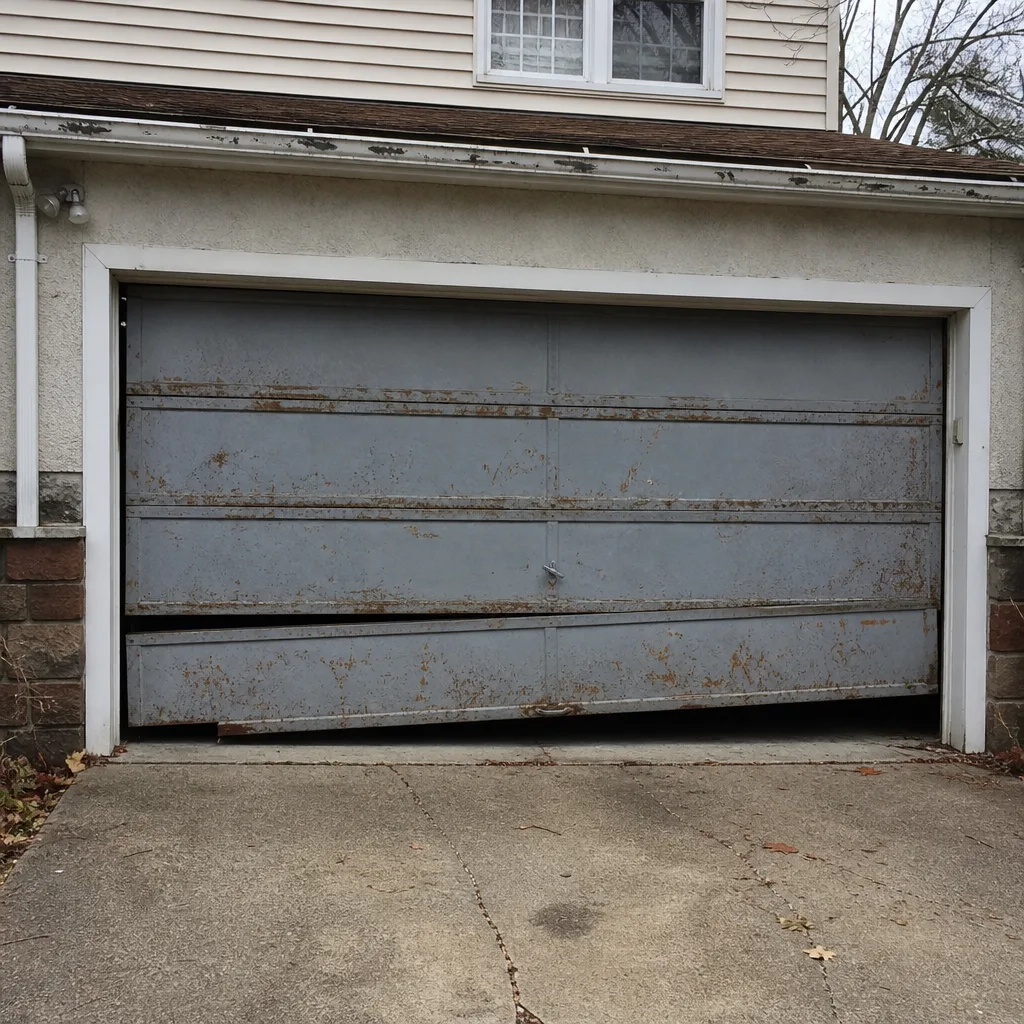 Before
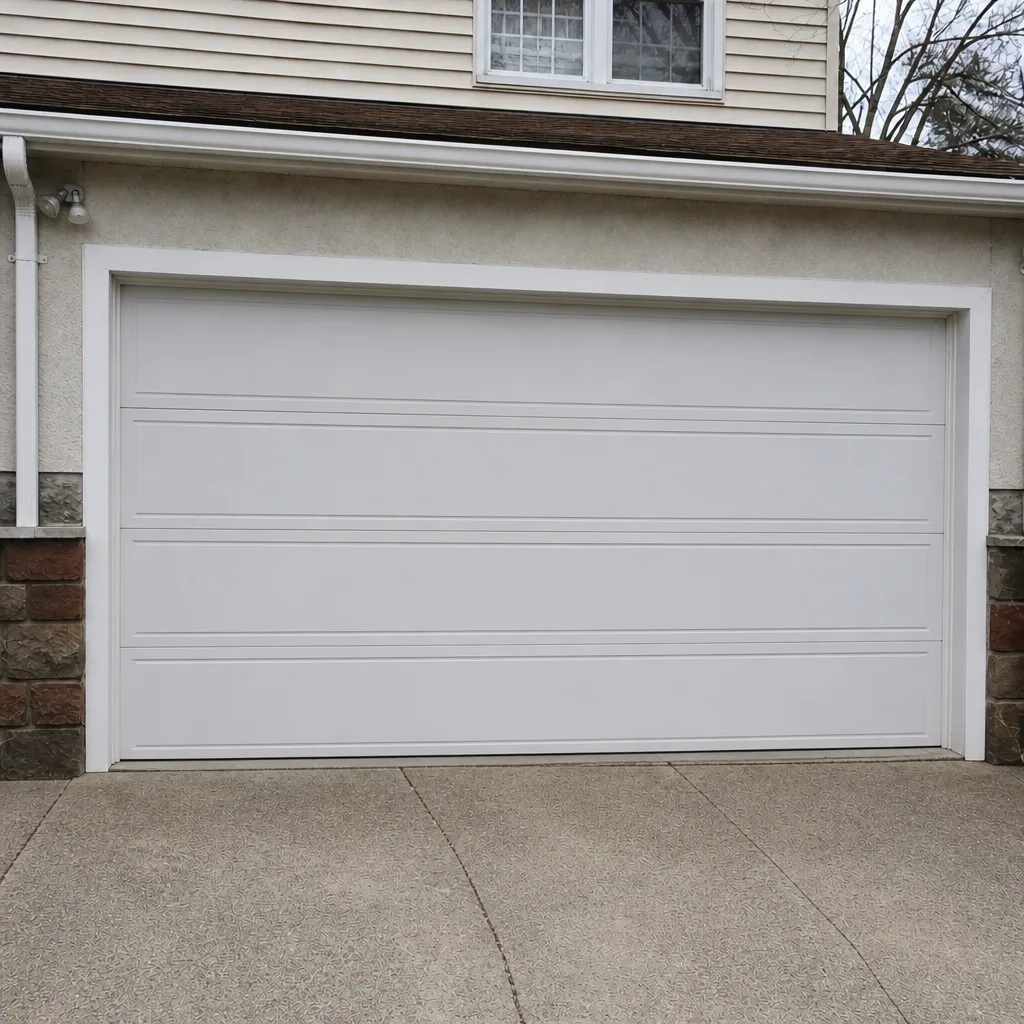 After
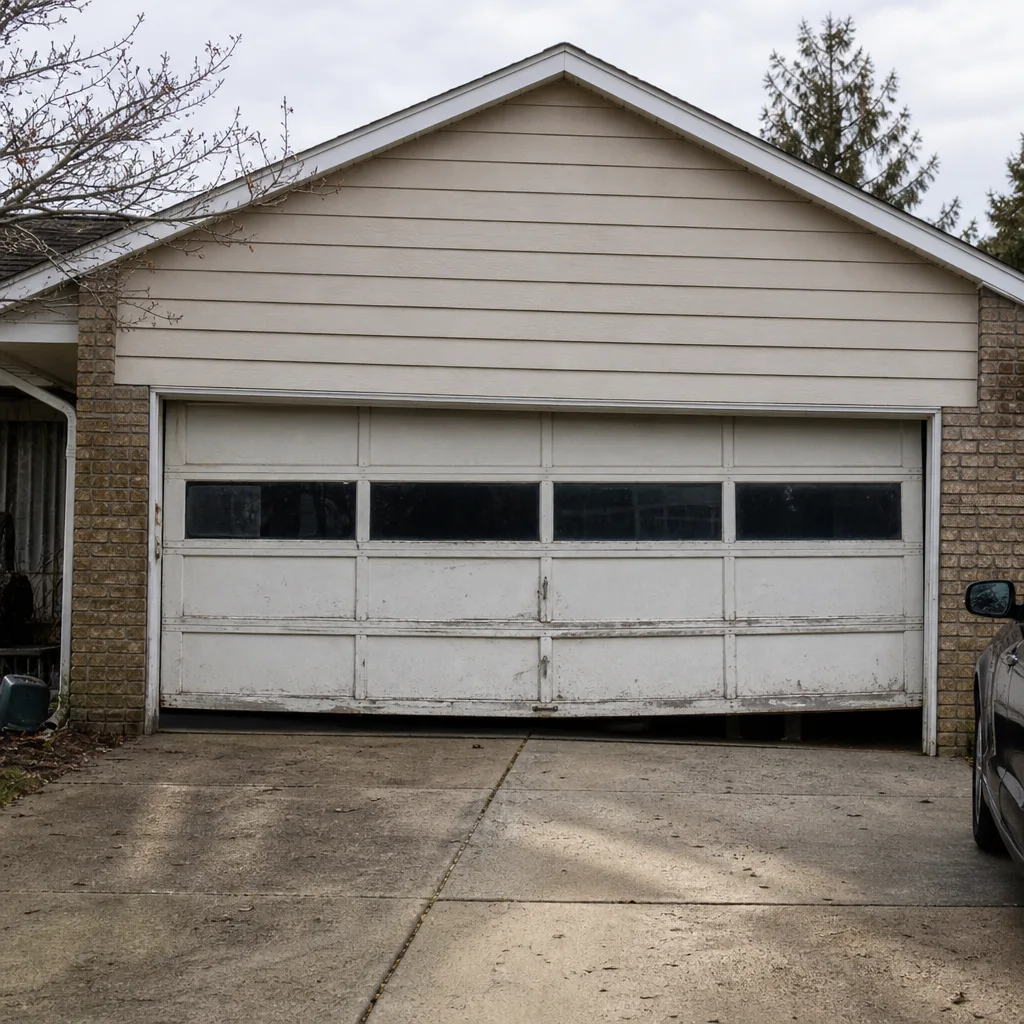 Before
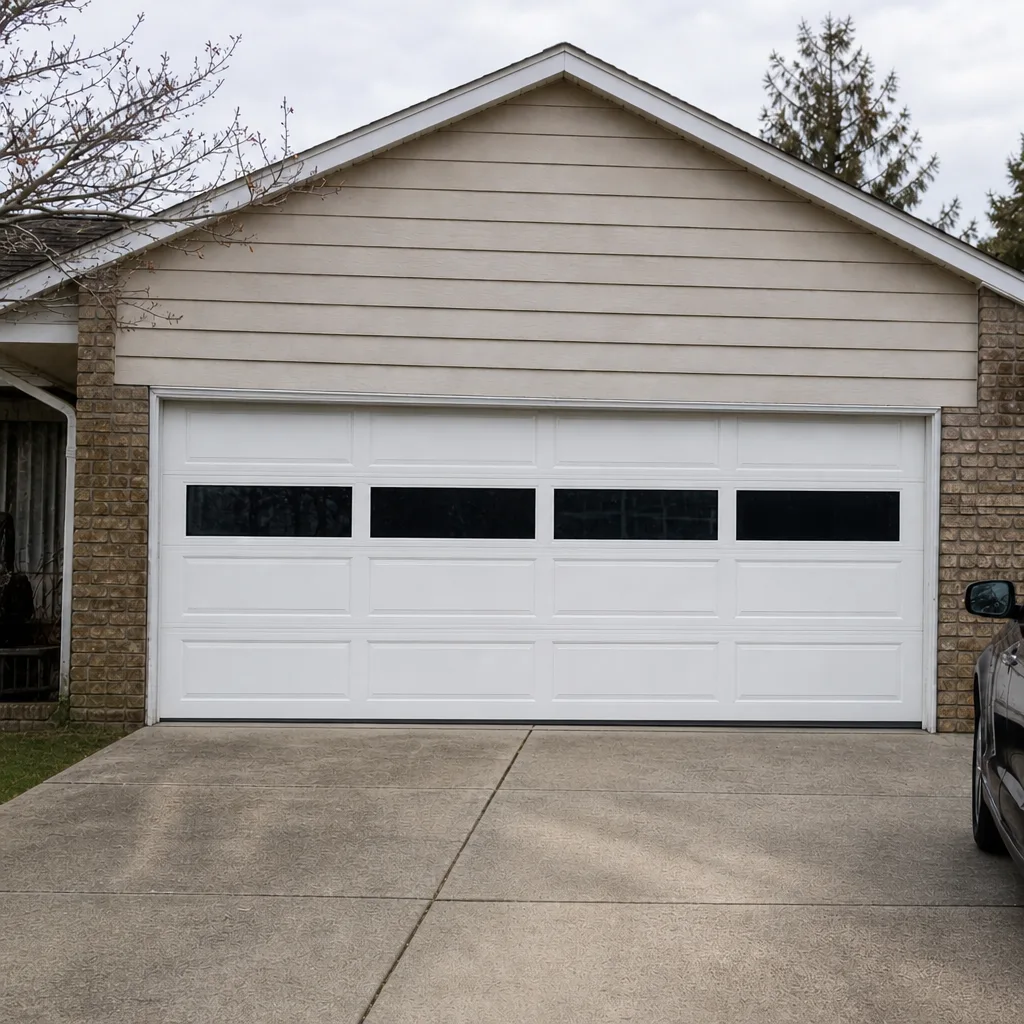 After
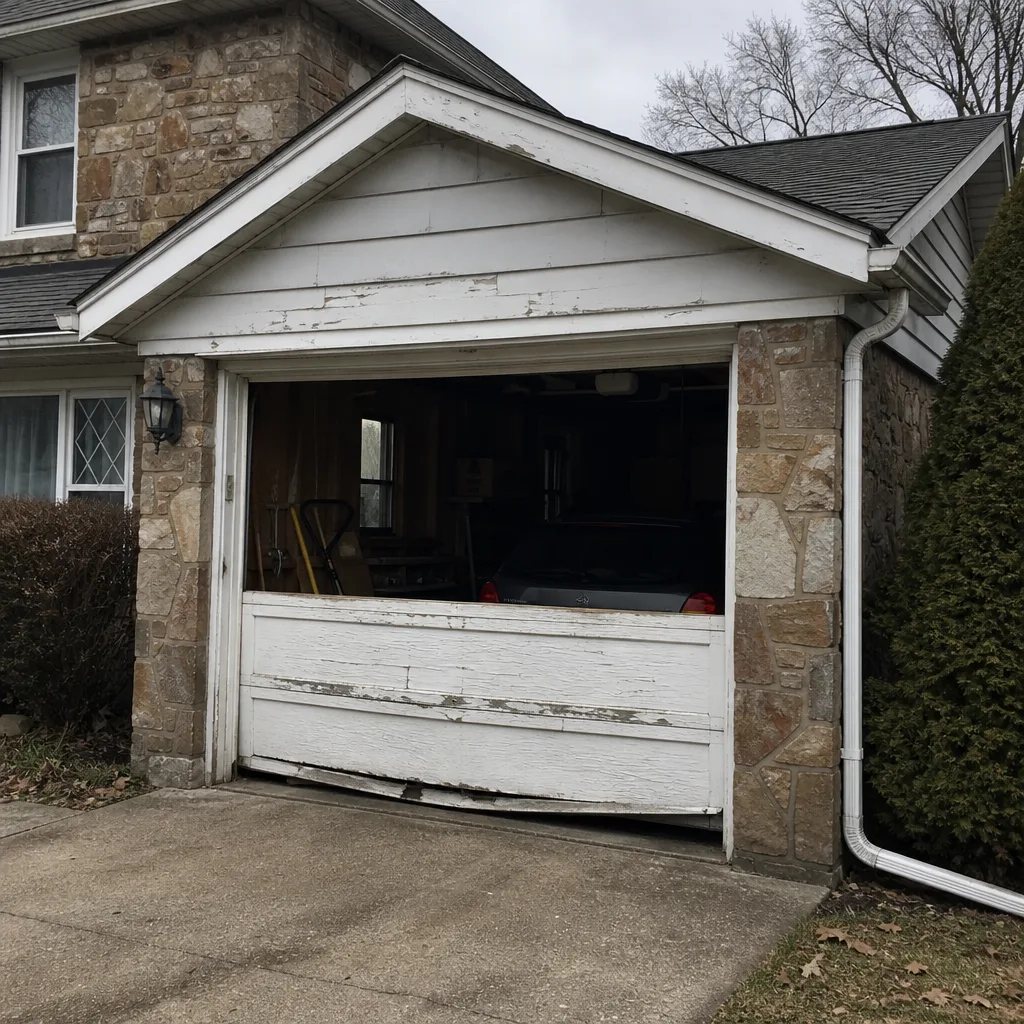 Before
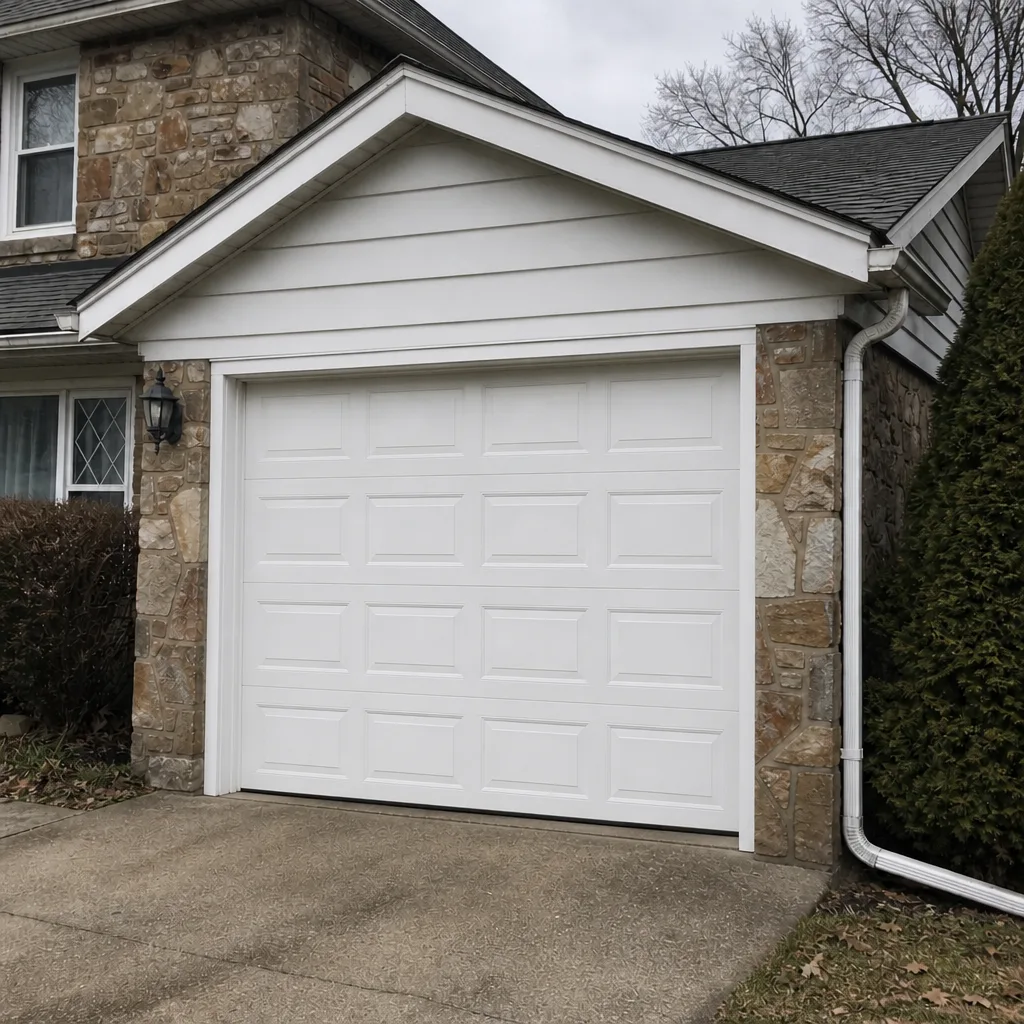 After
When to Call a Professional
Call a professional the moment you see a stop-now sign: a frayed cable, a crooked door, a door that won’t stay up, a popping or banging sound, or a balance test that drops fast. Those are not homeowner fixes, and the springs involved can cause serious injury. Call for a scheduled visit when the signs are wear signs: grinding, squealing, worn rollers, a slow remote, a seal that’s cracking. And call when you’re not sure which category you’re in, because a short phone description is cheaper than a wrong repair.
Garage Door Repair Fox Chase offers free estimates in Fox Chase, and the written estimate is the price before any work starts. Call (877) 651-7237 and describe what the door is doing: the direction, the sound, the balance test result and the brand. We’ll tell you what it most likely is and what it takes to get the door back up and running.
Frequently Asked Questions
A door that suddenly feels much heavier when you lift it, or a single loud pop followed by a door that won’t stay up, is the classic sign of a broken torsion spring. A weakening spring often shows up earlier as a door that drifts down during the balance test. Either way, stop using the door and call (877) 651-7237 for a free estimate.
Usually yes, but schedule a visit soon. Grinding is typically worn rollers, dry hinges or a track the rollers are scraping. It’s a wear sound, not a failure sound, so the door can keep working while you book a repair. Left alone, grinding rollers wear the track and turn a small job into a bigger one.
That pattern points to the signal path, not the opener. A slow wall button means the opener or its wiring is the problem; a slow remote means a weak battery, a pairing issue, or interference from LED bulbs or Wi-Fi gear near the opener. Test both, then tell the technician which one is slow.
Pull the emergency release to disconnect the opener, raise the door halfway by hand, and let go. A balanced door holds its position. A door that drifts down has weakening springs; one that drops fast is a stop-now sign. Reconnect the opener afterward and call with the result if it doesn’t hold.
No. The written estimate sets the price before any work starts, and the technician confirms the diagnosis on site before touching the door. If the description on the phone was accurate, the quote should match the repair. Call (877) 651-7237 for a free estimate.
That depends on your municipality, so ask your city’s building department before scheduling. Permits for a like-for-like door replacement vary by jurisdiction, and it’s better to know before the door is ordered than after. When you call, we can walk you through what the job involves so you know what to ask.
The Bottom Line
Garage doors warn you before they fail. The skill is reading the warnings by component instead of lumping them into “the door is acting up.” Match the sound to the part, sort the visual signs by urgency, test the wall button against the remote, and run the balance test once a season. Then describe the problem in the terms a technician can act on: direction, sound, balance result, brand. That description is what turns a vague quote into a targeted repair, and it’s what keeps a Fox Chase homeowner from paying for a replacement when a spring pair or a set of rollers would do. Use this guide as your reference, and call (877) 651-7237 when a sign shows up. Estimates are free and the written quote is the price.
For a full picture of what we handle beyond diagnostics, see Garage Door Repair Fox Chase and call (877) 651-7237 for a free estimate.
Written by the team at Garage Door Repair Fox Chase.