Last updated November 21, 2026
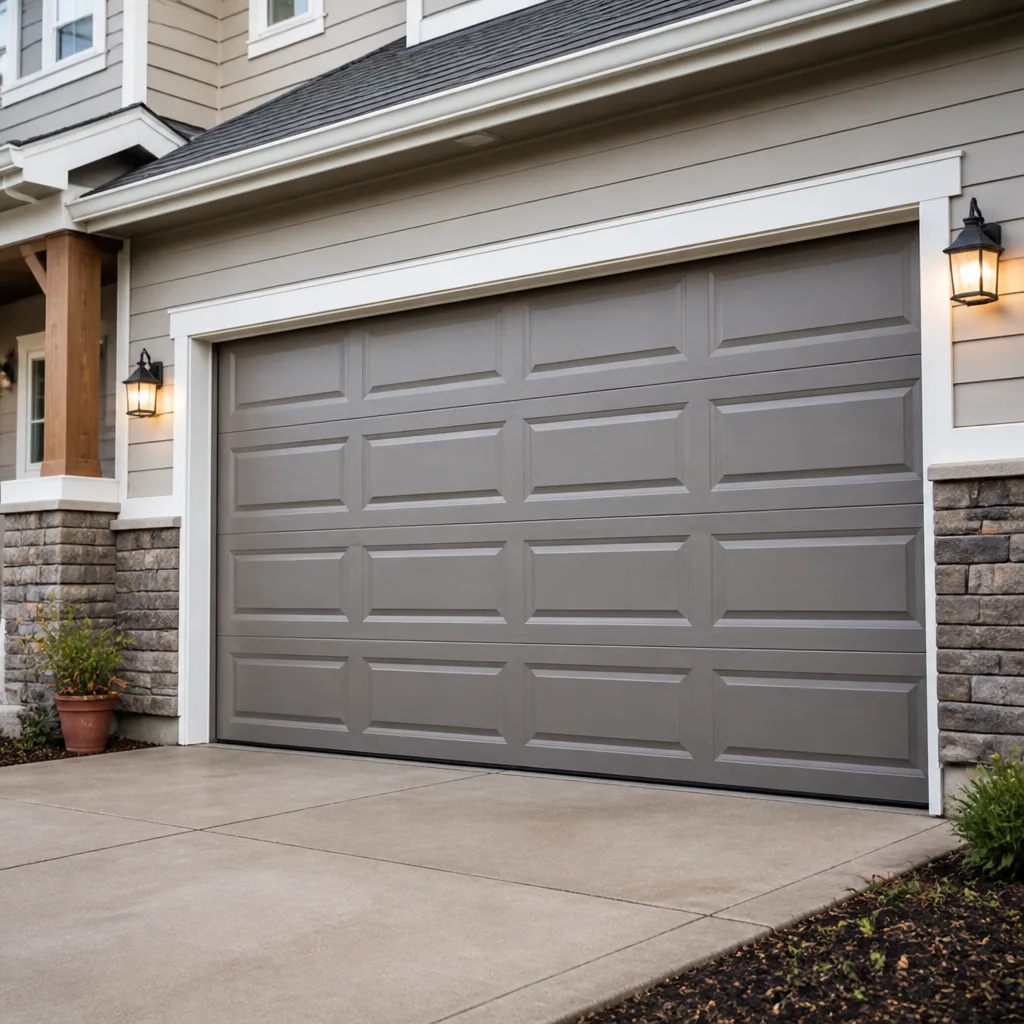 Raised-panel steel
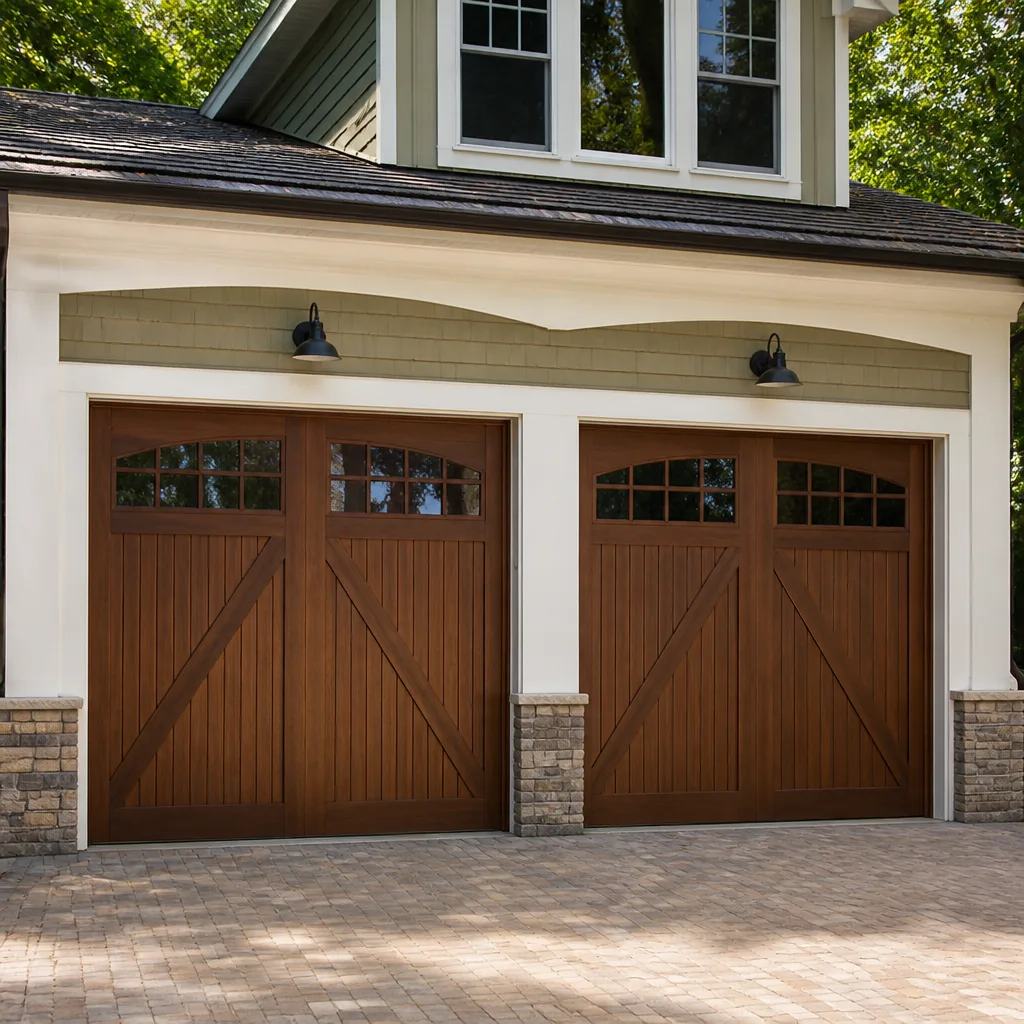 Carriage house
 Modern flush
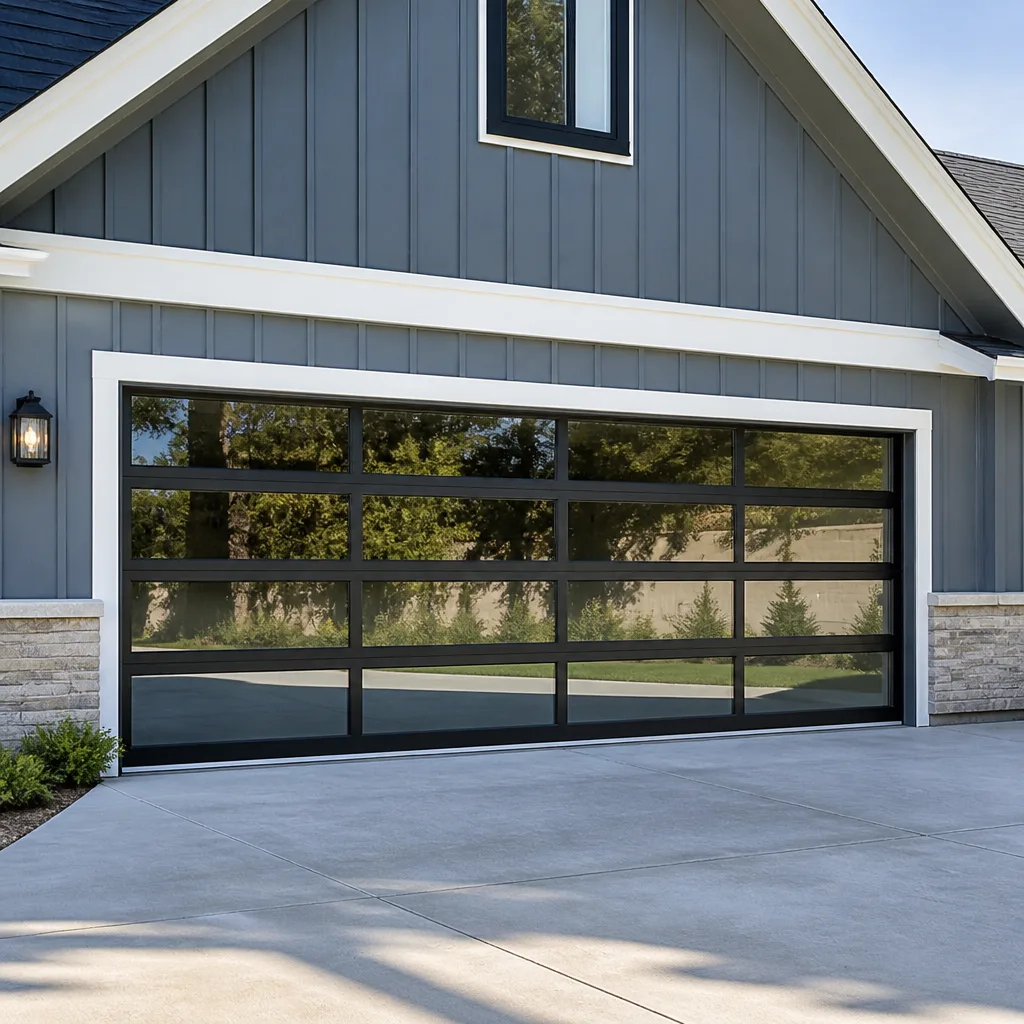 Full-view glass
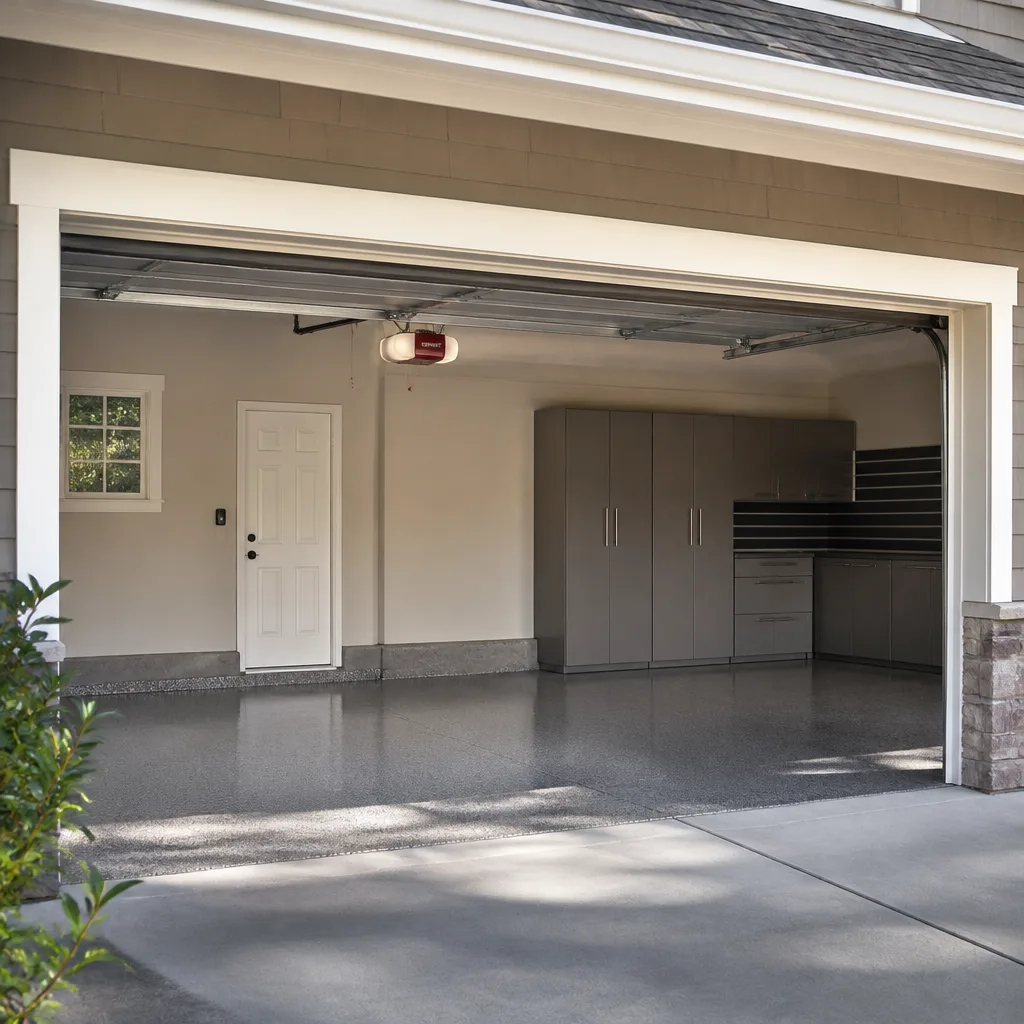 LiftMaster openers
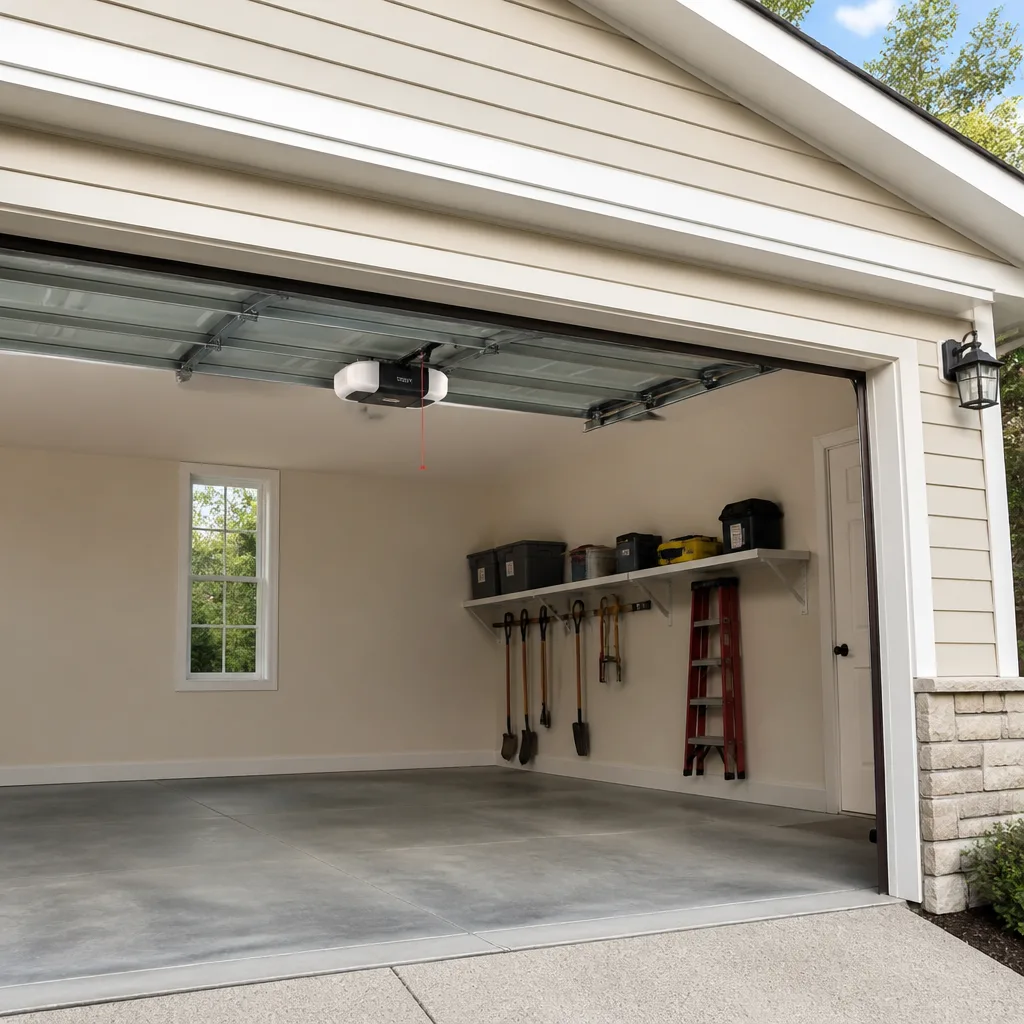 Chamberlain openers
Full 25-point door and opener safety check with every visit - springs, cables, rollers, tracks, and your LiftMaster or Chamberlain opener included
You get a price before we start. It does not change when the pro arrives.
Get your free estimateGarage Door Repair Maintenance Checklist for Fox Chase Homeowners
Ask most Fox Chase homeowners what wears out a garage door spring and they’ll guess age. In our experience, it’s usually the temperature swing. A door’s torsion and extension springs sit above cold concrete, while the rest of the house stays heated through a Philadelphia winter. That daily expansion and contraction works the steel harder than most people realize, and it’s why a maintenance schedule built around a calendar year misses the point. This guide splits the work into two columns: what you can safely do yourself, and what belongs in a technician’s hands. You’ll get Fox Chase-specific timing, lubrication guidance for our winters, the correct balance test, and a service log worth keeping.
Quick Answer
A thorough garage door maintenance checklist covers visual inspection, lubrication at the hinges, rollers, and tracks, a balance test, and a check of the opener’s safety reverse – most of which a homeowner can do. Spring tension, cable adjustment, and limit switch calibration are technician-only tasks because they carry serious injury risk. In Fox Chase, time the homeowner checks to the fall and spring freeze-thaw swings rather than a generic twice-a-year rule of thumb.
Styles & brands we work with
- Raised-panel steel
- Carriage house
- Modern flush
- Full-view glass
- LiftMaster openers
- Chamberlain openers
Table of Contents
- Why Fox Chase Garages Fail Differently
- The Homeowner-Safe Column: Tasks You Can Do
- The Balance Test, Done Correctly
- The Technician-Only Column: Leave These Alone
- What to Lubricate (And What Guns Up in the Cold)
- Seasonal Timing Around the Freeze-Thaw Cycle
- Keeping a Service Log That’s Worth Something
- Opener and Safety Reverse Checks
Why Fox Chase Garages Fail Differently
The number-one source of premature spring failure in Fox Chase isn’t age. It’s the temperature differential between a cold concrete garage floor and a heated house interior. In Fox Chase, that gap is real for a good chunk of the year, and it produces metal fatigue that a door installed in a milder climate never sees.
Think about what’s actually happening. A torsion spring stores a large amount of energy and holds it under constant load. Through the winter, that spring cycles between cold overnight lows and warmer daytime temperatures. Each swing is a small stress cycle. Multiply it across a full heating season and you get a spring that’s been worked harder than its calendar life suggests. The springs most homeowners replace don’t fail in the middle of summer. They fail on the first cold morning after a mild stretch, when the metal contracts and a hairline crack finally lets go.
Fox Chase’s housing stock makes this worse. A lot of the neighborhood’s garages were built as attached garages, sharing one or two walls with conditioned living space. That shared wall transfers heat into the garage but not enough to keep it genuinely warm. The result is a garage that swings between cold nights and a heated interior pushing against the wall – a slow, repeated flex on every component that touches the door.
That’s the reason this checklist is organized around local failure patterns, not a generic “lubricate and listen” routine. If your garage door is already making noise or the door looks uneven, our Garage Door Repair Fox Chase page covers how we approach a failing door. If you want to get ahead of it, keep reading. The maintenance habits below are what actually extend the life of a door in this climate.
The Homeowner-Safe Column: Tasks You Can Do
Most of what keeps a garage door healthy is inspection, not repair. You don’t need tools or training to catch a problem early, and catching it early is what prevents an emergency call on a morning your car is blocked in. Here’s what’s safe for you to handle.
- Visual inspection, door closed. Walk around the door and look for sagging panels, cracked hinges, rust streaks, and any spring with a visible gap or sharp kink. A gap in a torsion spring means it’s broken – stop and call.
- Visual inspection, door open. With the door fully up and the opener disconnected, check that the cables are tight and sitting properly in their drums. A frayed cable or one off its drum is a warning sign, not a repair you should attempt.
- Track check. Run your hand along the inside of each track (with the door stationary and the opener off) and feel for dents, debris, or loosened lag bolts. Tighten loose track bolts by hand where you can reach them safely.
- Lubrication. Apply the right lubricant to hinges, rollers, and the torsion spring itself. We cover exactly what to use in the lubrication section below.
- Balance test. This is the single most useful thing you can do yourself. Full instructions are in the next section.
- Safety reverse test. Place a piece of wood on the ground under the door and let the door close on it. It should reverse immediately. If it doesn’t, stop using the opener until a technician adjusts it.
- Weather seal check. Look at the bottom seal and side seals. A worn seal lets cold air, water, and pests into the garage and, in Fox Chase winters, water freezing under the door accelerates wear on the bottom panel.
None of these require you to touch a spring under tension or adjust a cable. Those belong on the other side of the line, and we’ll get to them.
The Balance Test, Done Correctly
The balance test tells you whether your door’s lifting mechanism is still matched to the weight of the door. Most homeowners who try it do it wrong – usually by leaving the opener engaged, which means the opener is doing the work and the test tells you nothing. Here’s the correct method.
- Close the door fully. Pull the red emergency release handle to disconnect the opener from the door. The door should stay put.
- Lift the door by hand to about waist height. Then let go. It should stay where you put it. A properly balanced door holds its position at any point in its travel.
- If the door drops on its own, the springs are under-tensioned or worn – they’re not doing their share of the lifting. If it rises on its own, the springs are over-tensioned or the door is lighter than the spring setting.
- Reconnect the opener by lifting the door slightly and re-engaging the release.
What an off-balance result actually tells you is important. Springs carry the weight of the door – the opener only moves it. When a door is off-balance, the opener is suddenly working against weight it was never designed to carry, and that’s when gears strip, drive belts snap, and openers burn out. So a failed balance test is a spring or tension problem showing up as an opener problem in the making.
A door that drops on its own is a door that’s about to need spring work. Don’t keep running the opener on it. If you’re seeing this in Fox Chase, our garage door repair specialists can check the spring tension and get the door balanced again.
The Technician-Only Column: Leave These Alone
A garage door is one of the heaviest moving objects in a home, and the components that control it carry serious force. Here’s the honest split. These tasks are not hard because they’re complicated – they’re hard because a single slip can break bones or worse.
- Spring tension adjustment or winding. Torsion springs are wound to hundreds of pounds of tension. Adjusting that tension requires the right winding bars, the right sequence, and the right amount of care. This is the one task we’d never suggest a homeowner attempt.
- Cable replacement and adjustment. Cables are under load whenever the springs are wound. A cable that slips off a drum while you’re working on it can cause serious injury.
- Limit switch calibration. These tell the opener when to stop. Mis-set limits cause the door to slam into the header or stop short. Calibration requires the door to be balanced first and tested through full cycles.
- Roller replacement on high-tension tracks. Swapping a bottom roller while the door is under tension is riskier than the task looks.
- Track alignment on a door that has jumped. If the door has come off its track, stop using it. Forcing it back can damage the door past repair and injure whoever is standing near it.
Our technicians have up to 11 years of experience with spring work specifically. That matters because spring repair is the highest-risk job on any garage door – the component most likely to injure a homeowner and the one most general handymen avoid. We specialize in it. If you’re seeing a broken spring or a door that won’t hold its balance, call (877) 651-7237 and we’ll send someone trained for it.
What to Lubricate (And What Guns Up in the Cold)
Lubrication is where a lot of well-intentioned maintenance actually makes things worse. The product that works fine in June can turn into a sticky mess by January in a Fox Chase garage. What you want is a lubricant that stays put when the temperature drops and doesn’t attract the grit that wears out tracks.
Use these:
- White lithium grease or a silicone-based spray for hinges and rollers.
- A dedicated garage door lubricant from a brand like LiftMaster or Genie’s service line – they’re formulated for the temperature range these doors see.
- Light oil for the hinges specifically, applied sparingly, once or twice per surface per year.
Avoid these:
- WD-40 as a long-term lubricant. It’s a great penetrating oil, but it doesn’t stay put, and it attracts dust.
- Heavy axle grease. It gets stiff in the cold and drags the door, which puts extra load on the opener.
- Anything with a thick paste consistency. In a cold Fox Chase garage, pastes turn into drag.
Apply lubrication to the torsion spring itself once or twice a year – many homeowners skip this, but a dry spring wears faster. Do the rollers next, then hinges, then a light coat on the inner sides of the tracks. Wipe off the excess. Excess lubricant attracts grit, and grit is what wears out rollers.
If you’ve got a newer garage door opener repair issue – the opener runs but the door doesn’t move, or the remote responds intermittently – that’s not a lubrication problem. Call and we can diagnose it. LiftMaster, Chamberlain, and Genie units are the most common we see, and our technicians work on all of them.
Seasonal Timing Around the Freeze-Thaw Cycle
Generic advice says to maintain the door twice a year. In Fox Chase, that advice is close to useless because it doesn’t account for what our weather is doing to the door. A better schedule follows the freeze-thaw cycle.
Late fall, before the first hard freeze: This is the most important check of the year. Do the full homeowner list – visual inspection, lubrication, balance test, weather seal check. Door hardware should be tight and lubricated before the cold hits. A dry spring going into winter is a spring about to fail. And check your weather seal now – a worn seal is the difference between a dry garage and a wet one all winter.
Mid-winter, after the first major temperature swing: Do a quick visual inspection and one balance test. This is when failing springs break. Catching one early prevents a morning where your car is blocked in by a door stuck open or stuck halfway.
Early spring, once the thaw is underway: Check for water damage at the bottom panel, rust on hardware, and looseness in the track. Freeze-thaw cycles loosen bolts and push water into gaps. A small number of lag bolts tightened now prevents a track that shifts out of alignment later.
Mid-summer: Light lubrication and a balance test. Less urgent in summer because the temperature stays more stable, but a good time to catch problems before the next cold season.
The other local timing consideration is scheduled installations. If you’re planning to replace a door, spring is often the practical window in Fox Chase. New doors need to be measured, ordered, and scheduled. Calling now means the door’s ready before the weather turns.
Keeping a Service Log That’s Worth Something
A service log is more useful than it sounds – and we’re not saying that because we sell one. It’s the documentation that tells any future technician (or buyer) what’s been done to the door and when. Here’s what a good log tracks:
- Date of each check or service.
- What was done – familiar tasks like “lubricated springs and hinges” or “tightened track bolts,” and professional services like “spring replaced by technician.”
- Observations – “door dropped 6 inches when tested,” “slight sag on left side,” “weather seal starting to tear.”
- Part numbers or brands where you know them. If your door is a Clopay and your opener is a LiftMaster, note it – it saves time on any future call.
- Who did the work – you or a technician.
Why does this matter? Two reasons. First, it makes future troubleshooting faster. Second, if you’re planning to sell a Fox Chase home, a documented maintenance log is a real asset. Buyers want to know the garage door isn’t about to fail, and a log showing spring replacement dates and routine care goes further than a handshake promise.
The log also helps you time replacements. A spring replaced in one season has an expected service life based on cycles, and a log tells you where you are against that estimate. We’ve seen homeowners catch a spring problem a full season early by looking at their own log.
Opener and Safety Reverse Checks
Your opener is the brain of the system, and most opener failures start with a door that’s out of balance or a component the opener is fighting. So check the door first, then the opener. A door that’s still out of balance when you test the opener will mask any real problem the opener has.
Safety reverse check:
- Place a piece of wood or a full box on the ground directly under the closed door’s path.
- Close the door using the wall control or remote.
- The door should contact the object and reverse direction immediately, without delay.
- If it doesn’t reverse immediately, stop using the opener until a technician adjusts the safety sensors or the opener’s stop setting.
Force check: Most openers like a Chamberlain or a Genie have a force-adjustment setting that determines how hard the door pushes before it reverses. If the door is pushing hard on the wood block before reversing, the sensitivity is set too high. A technician can adjust it – it’s a small setting but a meaningful one.
Smart opener checks: If your opener is WiFi-connected, check the app’s door position and last-cycle records. A door that opened on its own or stopped on its own is an early warning. Check that the mechanical stop settings still match the door’s actual travel – if the door’s balance has changed, the opener’s settings may need a re-calibration.
If you’re seeing an opener that won’t stay connected, or a door that moves in stops and starts, it may be time for an opener-service call, or eventually a full garage door installation if the door itself is at the end of its life. Either way, we work on the brand you already have.
Common Mistakes to Avoid
- Lubricating the tracks. The tracks should stay clean and dry. Lubricating them attracts grit that wears out rollers faster than dry tracks ever would. In a Fox Chase garage where dust and grit get in, this is the most common self-inflicted problem.
- Using WD-40 as a long-term fix. It’s a great quick fix and a poor long-term lubricant. It loosens things briefly and then leaves them drier than before.
- Skipping the balance test. A door that’s out of balance is a door working against you. Most homeowners never test it until the opener fails, which is the wrong order.
- Winding or adjusting a spring yourself. This is the mistake that causes real injuries. Springs are wound to hundreds of pounds of tension, and the tools and sequence matter. Leave this one to someone trained for it.
- Ignoring a door that reverses only half the time. A door that fails to reverse is a safety sensor or stop-setting problem. Keep using the door and you’re using an opener that may not stop for a child or a pet. Stop using it and call.
- Timing maintenance to a calendar year instead of the local cycle. A spring inspected once in July in Fox Chase may miss the fall crack that starts the failure. Inspect before the first freeze, not after.
- Skipping the service log. It’s the easiest thing to neglect and one of the most useful records to have when you go to sell or when a new technician needs the door’s history.
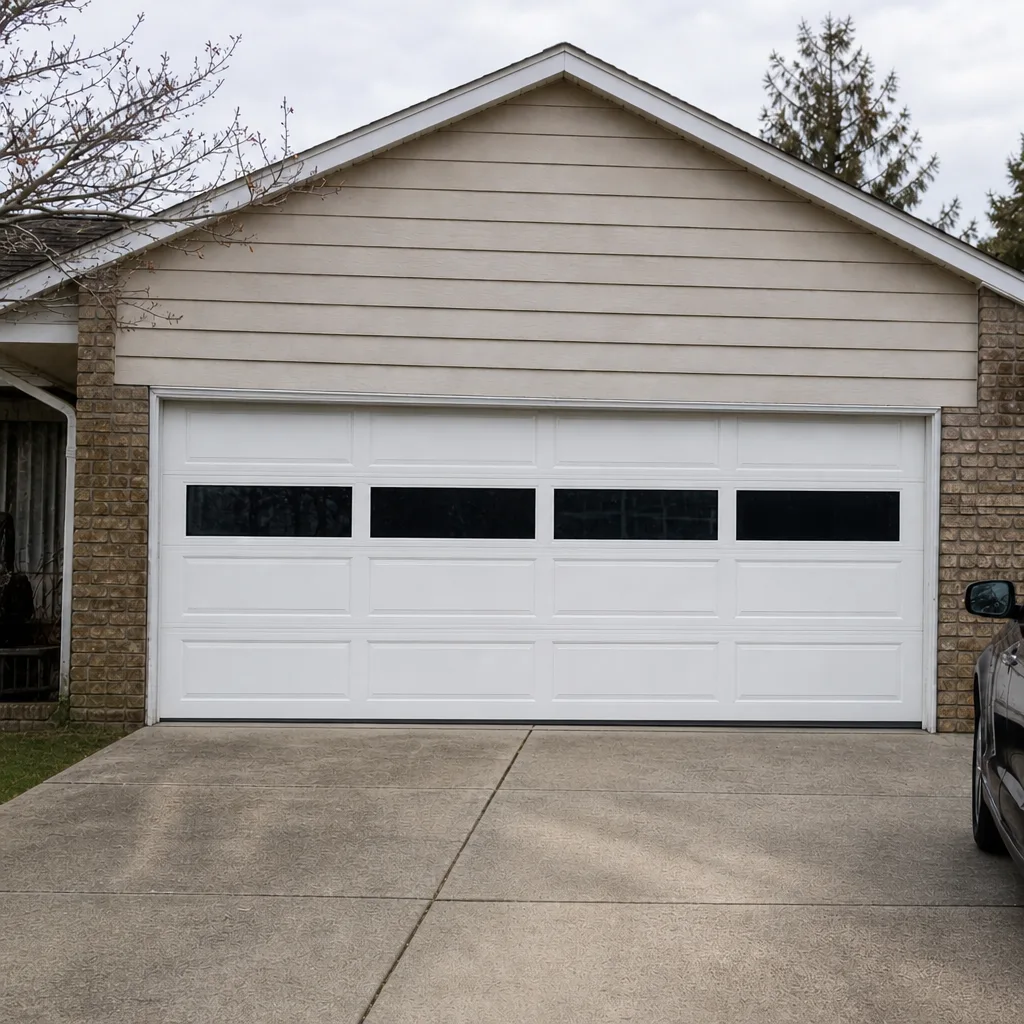
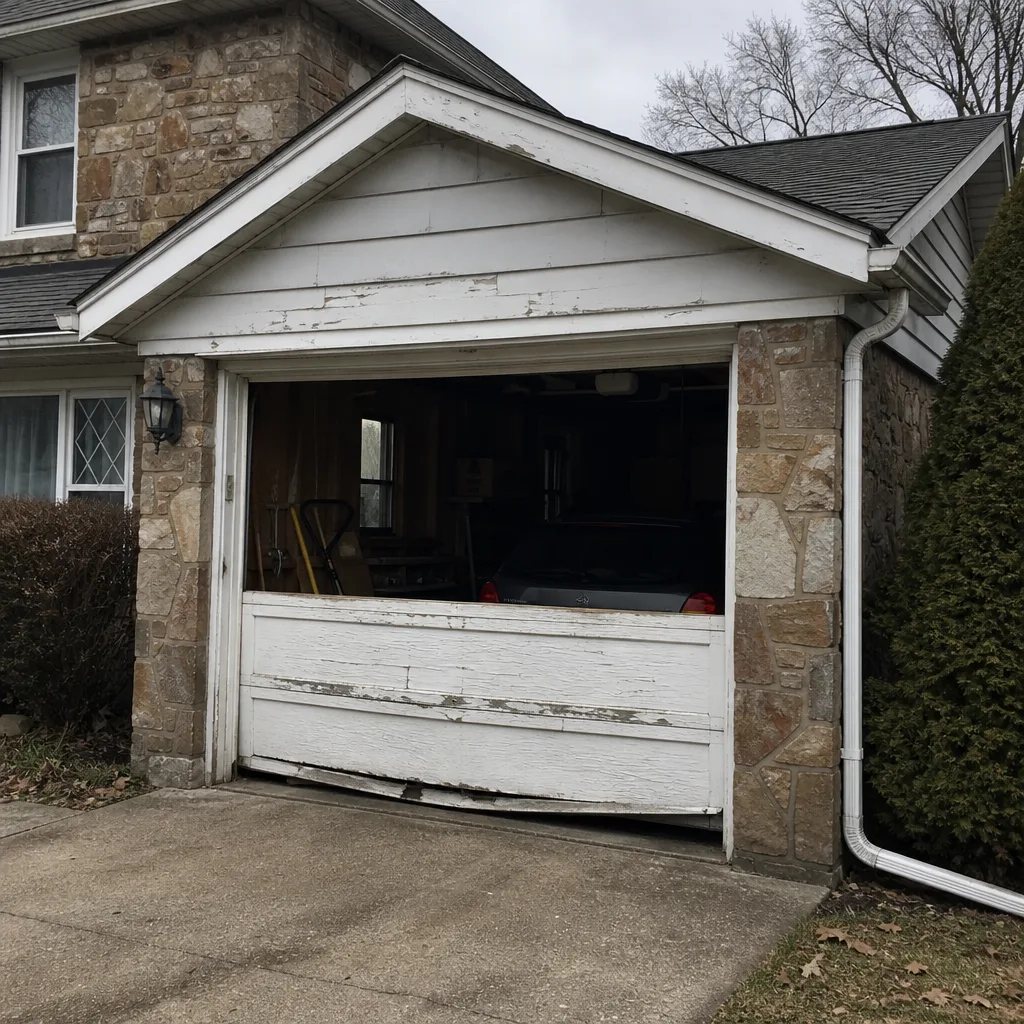
See the difference
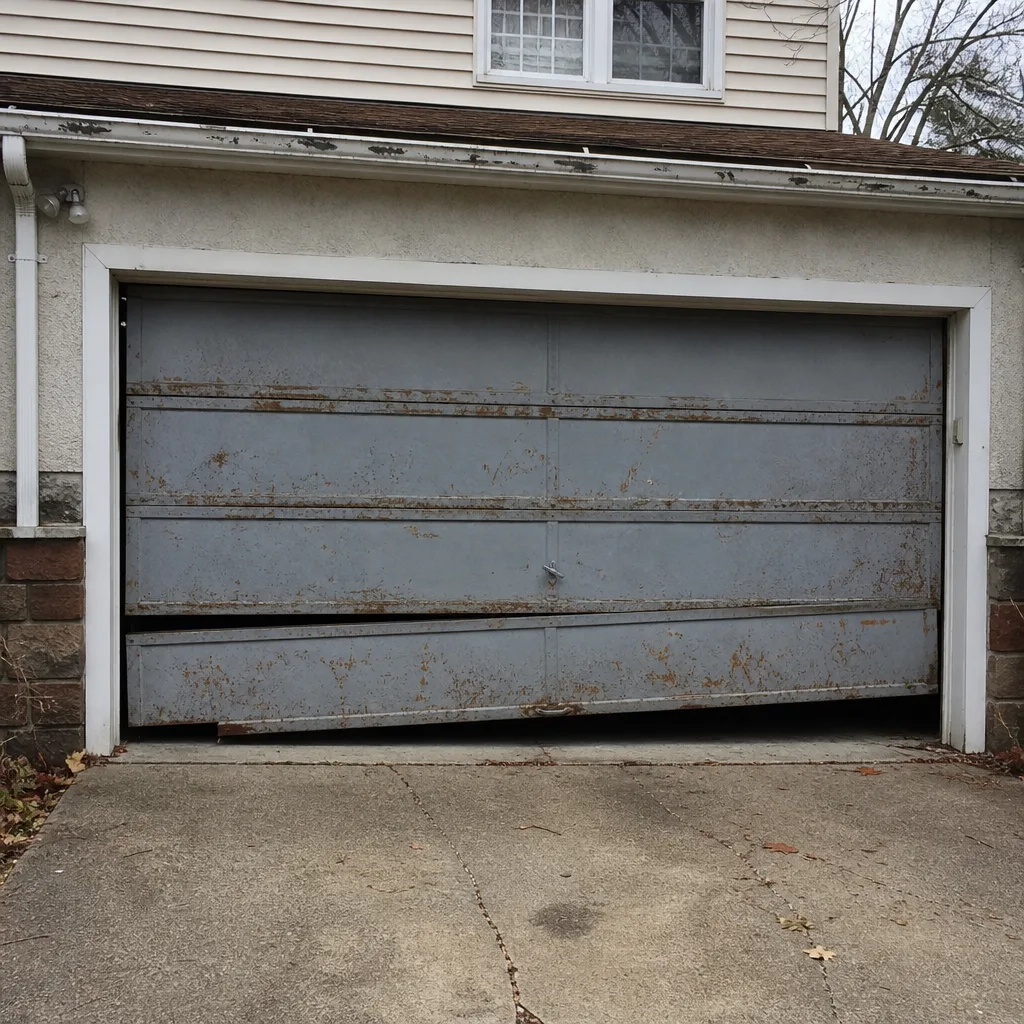 Before
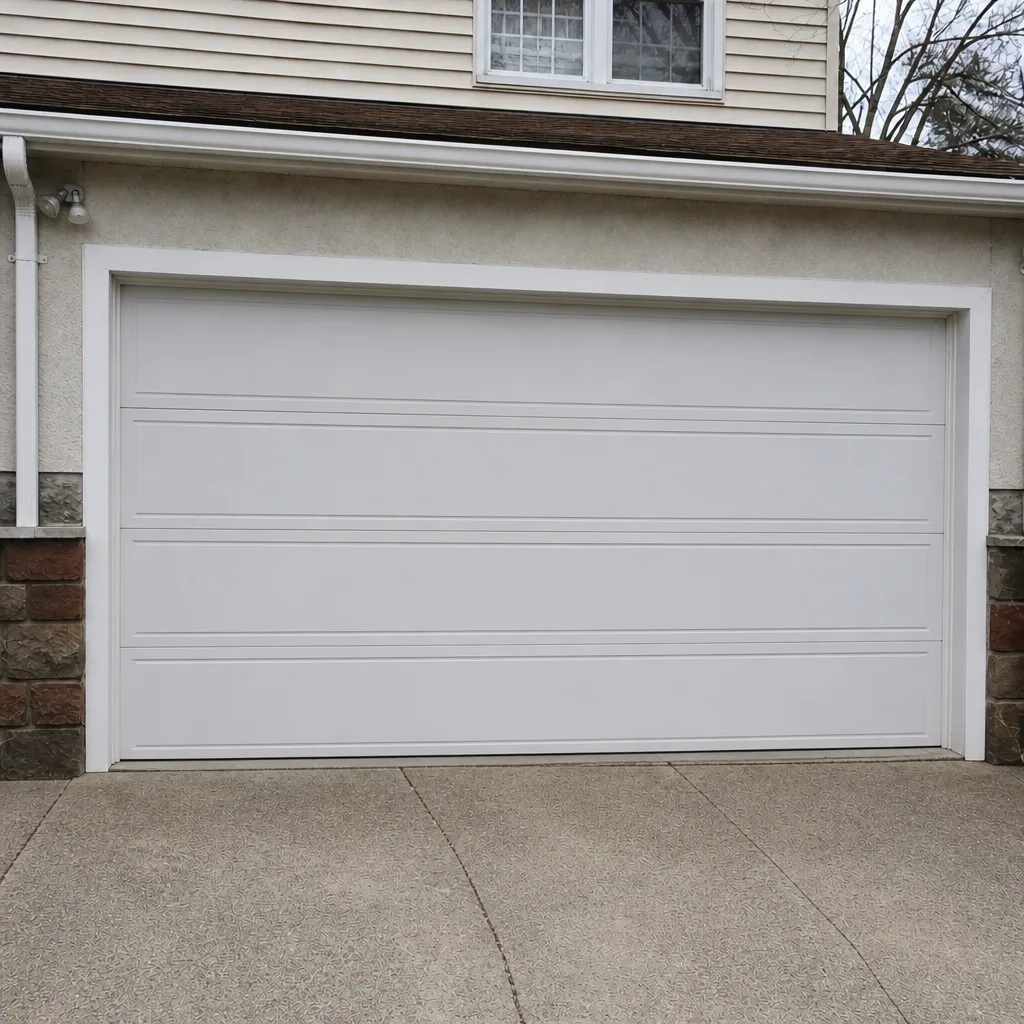 After
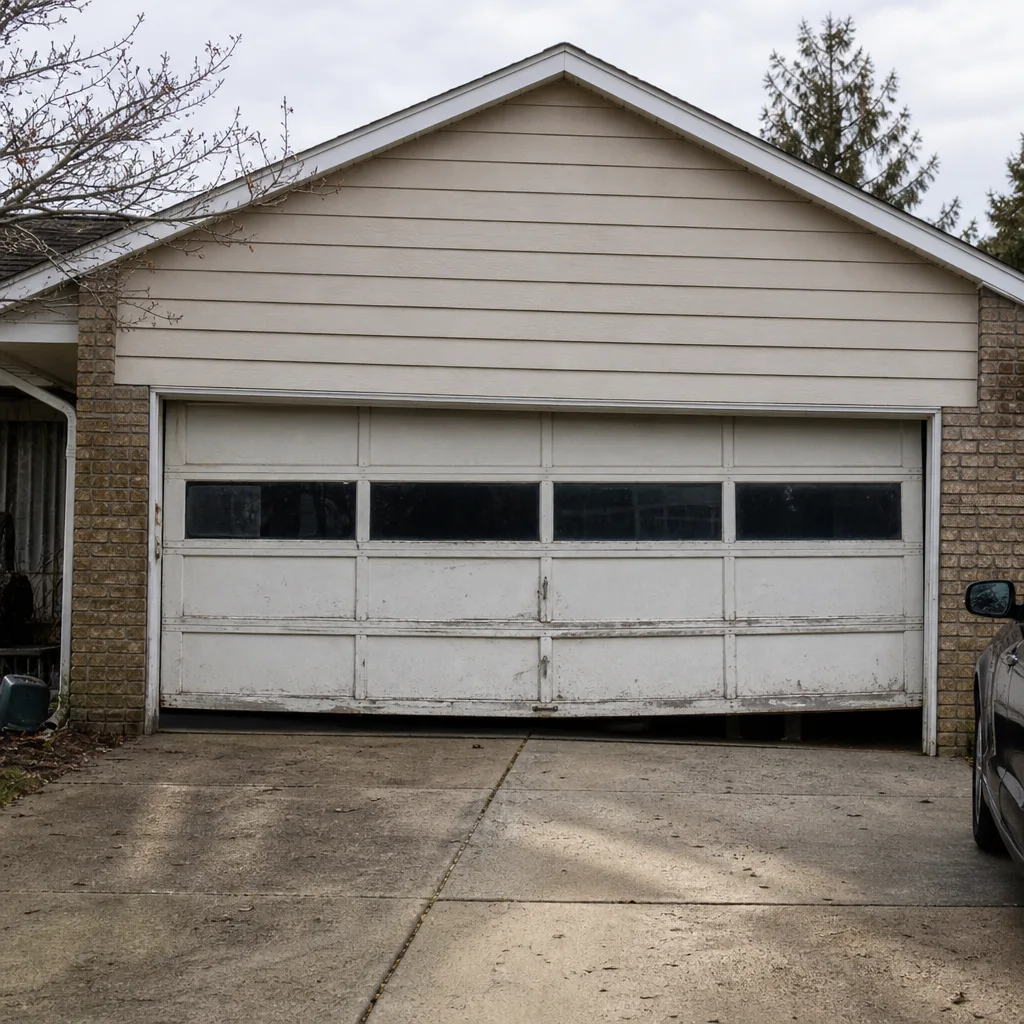 Before
 After
 Before
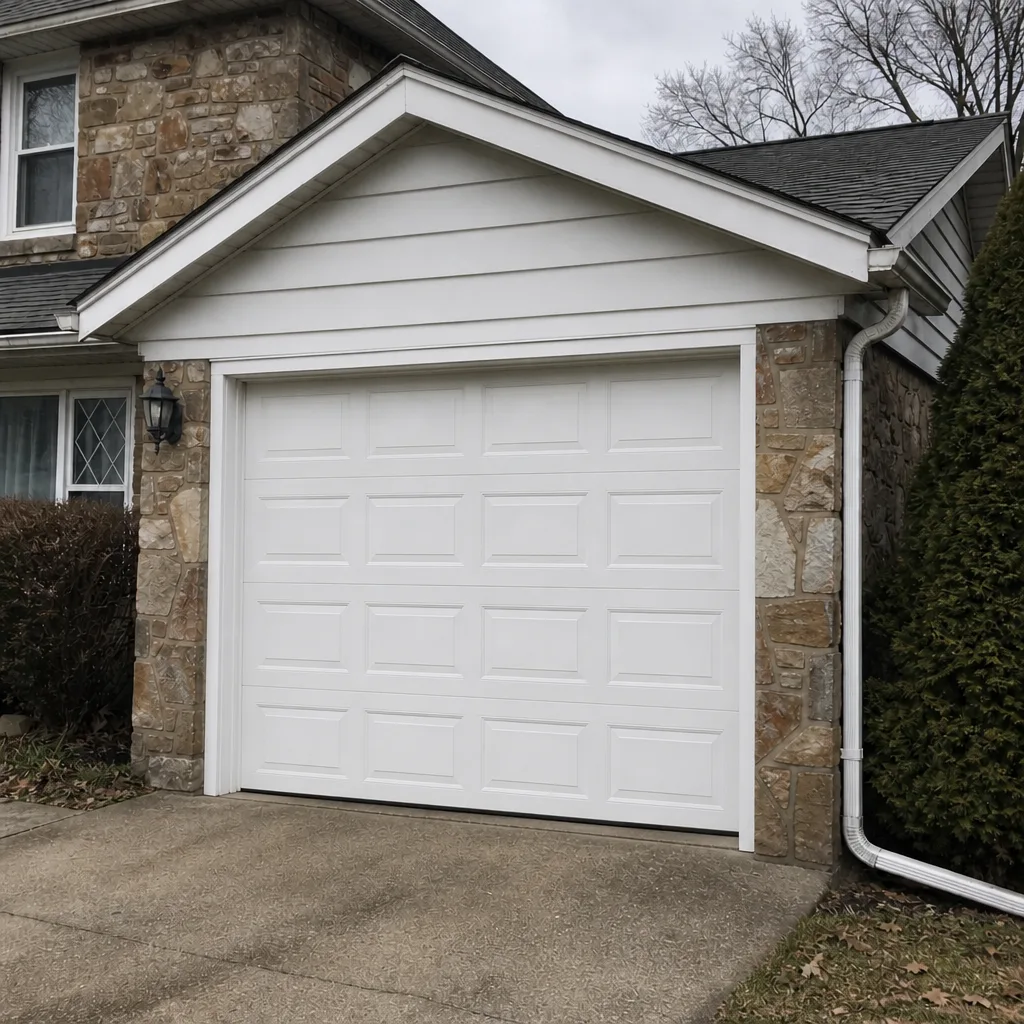 After
When to Call a Professional
Call for anything on the technician-only list, for any door that fails the balance test twice in a row, and for any opener that has started failing to stop on the safety reverse test. If you’re hearing a loud bang from the garage, that’s often a spring letting go – stop using the door and call. If the door is stuck open, hanging unevenly, or blocked from closing, don’t force it. And if you’re in Fox Chase and just aren’t sure whether the problem you’re seeing is a homeowner task or a technician task, call and we can talk you through it. Garage Door Repair Fox Chase offers free estimates in Fox Chase – call (877) 651-7237. Our technicians are trained on the eight major brands and work on whatever system is currently on your home.
Frequently Asked Questions
In Fox Chase, check before the first hard freeze in late fall and do a quick visual check after each major temperature swing. That’s at least twice a year, and it’s the schedule that catches failing springs before they break. Call (877) 651-7237 if you’d rather have a technician do the full check.
No. Spring tension adjustment is a technician-only task because the spring is under hundreds of pounds of stored energy, and the winding tools and sequence matter for safety. A trained technician with the right equipment is the only safe option.
A door that drops on its own is telling you the springs are under-tensioned or worn. A door that rises on its own is over-tensioned. Both mean the opener is working harder than it should, and one of them means the spring is close to failing. Call (877) 651-7237 for a balance test and spring check.
Use white lithium grease or a silicone-based spray on hinges and rollers. Avoid WD-40 as a long-term lubricant, and avoid heavy grease – both get stiff in the cold and cause drag. A dedicated garage door lubricant from a brand like LiftMaster or Genie is a safe choice.
Yes. A service log makes future troubleshooting faster and is a real asset if you sell your Fox Chase home. Track dates, what was done, parts and brands, and whether work was done by you or a technician.
Yes – we work on the major brands, including LiftMaster, Chamberlain, Genie, Clopay, Amarr, Wayne Dalton, Craftsman, and Raynor. The technician arriving knows your specific system. Call (877) 651-7237 to book a service or estimate.
The Bottom Line
Fox Chase garages fail for reasons that aren’t obvious from a generic checklist. The cold concrete floor, the heated wall behind the door, and the freeze-thaw cycle work the components harder than the calendar suggests. That’s why the timing matters more than the habit. Do the homeowner-safe tasks on the local cycle: inspect, lubricate, and balance-test before the first freeze, then check again after every major temperature swing. Leave spring tension, cable adjustment, and limit calibration to a technician. Keep a log. When something fails, call (877) 651-7237 for a free estimate – we work on the brand you already have, and spring repair is the one thing we’re best trained for.
Written by the team at Garage Door Repair Fox Chase.